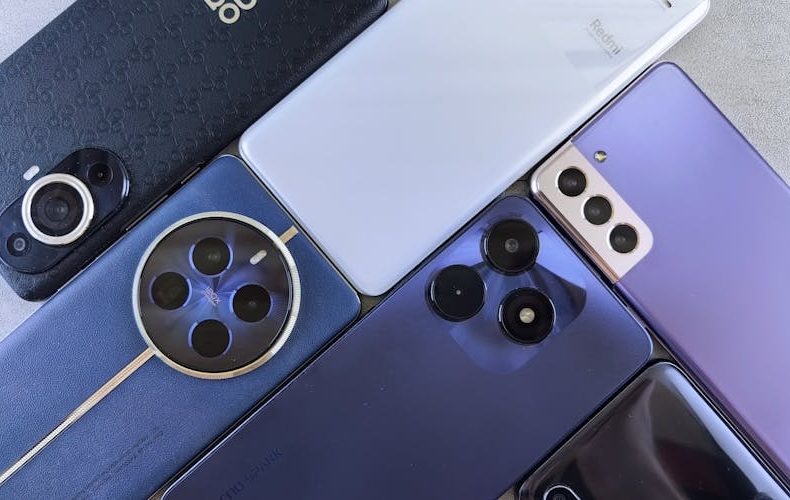
Picking a phone based on camera quality used to be straightforward — grab a Pixel or an iPhone and move on. Not anymore. The best camera phones 2026 has produced are genuinely difficult to rank because the gap between the top five has shrunk to almost nothing in good light. Differences only show up when you push them into tricky scenarios like concerts, dim restaurants, or fast-moving kids at a birthday party. Samsung's new f/1.4 aperture lens on the S26 Ultra pulls in light like nothing else, but Xiaomi's 1-inch sensor on the 17 Ultra produces colors that make me stop scrolling. Meanwhile, Apple quietly fixed the one thing that bugged me most about iPhone photography, and Google's computational magic still does things nobody else can replicate.
Here's the plan: I'll break down the actual camera hardware each phone is packing, how they perform in real-world scenarios (not lab benchmarks), and which one I'd hand to different types of buyers. I've shot everything from street photography in harsh midday sun to low-light portraits in a bar with terrible overhead lighting. No cherry-picked samples. A friend who shoots professionally on a Sony A7 IV also weighed in on color accuracy and dynamic range. The goal isn't to crown one winner — it's to match the right camera phone to the right person, because "best" depends entirely on what you actually shoot.
Samsung Galaxy S26 Ultra — The Best Camera Phones 2026 Zoom Champion
Samsung's S26 Ultra starts at $1,299 and the headline upgrade is that f/1.4 aperture on the 200MP main sensor — a jump from f/1.7 on last year's model. Roughly 47% more light hitting the sensor. I photographed my dog sleeping under a table lamp and the difference was obvious: cleaner edges, less noise, almost like I'd set up a softbox. The new All Lens On Prism (ALoP) mechanism replaces the traditional periscope design on the 5x telephoto, delivering a sharper 50MP image at f/2.9 versus the old f/3.4. Zoom shots at 10x and even 20x hold genuinely printable detail.
The ultrawide jumps to 50MP on a 1/2.5-inch sensor, making it viable for real photography. Where Samsung still stumbles? Skin tones. The processing leans warm and slightly oversaturated — great for Instagram, less great for accuracy. A style choice, not a flaw, but worth knowing before you buy.
iPhone 17 Pro Max — Consistency No One Else Matches
Apple's iPhone 17 Pro Max starts at $1,199 with all three rear cameras now at 48MP. The main sensor keeps its f/1.78 aperture with second-generation sensor-shift OIS, and 100% Focus Pixels coverage means autofocus locks almost instantly on moving subjects. I shot a golden retriever sprinting across a park — eight sharp frames out of ten. Try that on most Android phones and you'll get maybe five.
The 4x optical zoom with an "optical-quality" 2x crop from the main sensor gives you a solid 8x reach, though Samsung and Xiaomi outgun it on pure zoom range. Where the iPhone 17 Pro Max genuinely leads is video. ProRes Log recording, Spatial Video, and the most reliable stabilization I've tested. Not even close. If you shoot more video than stills, this is the phone. Period.
Xiaomi 17 Ultra — Leica Colors That Stop You Mid-Scroll
Priced at roughly $960 in China and €1,499 in Europe, the Xiaomi 17 Ultra packs a 50MP main camera on a full 1-inch sensor with f/1.67 aperture. The Leica co-engineered color science delivers warmer midtones, smoother highlight rolloff, and less aggressive sharpening than anything else here. Photos look like photos, not computational photography output.
The real showpiece is the 200MP telephoto with a variable 75-100mm focal length — a built-in portrait zoom on a massive 1/1.4-inch sensor. Results at 3x-4x rival what the S26 Ultra delivers at 2x-3x. My gripe? HyperOS 3 stutters occasionally when switching lenses, and processing takes a beat longer than Apple or Samsung. Worth it for the image quality. Absolutely.
Google Pixel 10 Pro — Best Camera Phones 2026 Value Pick
Google's Pixel 10 Pro starts at $999 (frequently discounted to $749) and doesn't win spec-sheet wars with its 50MP main, 48MP ultrawide, and 48MP 5x telephoto. So why is it here? Computational photography that's still two years ahead of everyone else. Pro Res Zoom delivers usable 100x digital zoom — I read a street sign from across a football field. Absurd.
Night Sight remains the gold standard for low-light photography. The 42MP selfie camera is excellent, and tele-macro on the 5x telephoto rivals dedicated macro lenses. Battery during photo walks impressed me too — 18% drain over two hours versus 24% on the S26 Ultra. The trade-off? Video quality still feels like an afterthought compared to Apple's polished pipeline.
OPPO Find X9 Pro — The Dark Horse Worth Watching
Starting at €999, the OPPO Find X9 Pro packs a 200MP Hasselblad-tuned telephoto on a 1/1.56-inch sensor at f/2.1. Stunning portrait shots at 70mm equivalent. The 50MP main camera with f/1.5 aperture captures plenty of light. The 120x Super Zoom falls apart past 30x, but 3x to 10x is competitive with Samsung. Hasselblad's cooler color science works beautifully for markets.
The surprise? Video. 4K at 120fps with Dolby Vision on a 7500mAh battery that genuinely lasts all day. If OPPO had better US availability and software support, this phone would be in more hands. The hardware deserves it.
Which Camera Phone Fits Your Shooting Style
For portraits, grab the Xiaomi 17 Ultra — that variable telephoto and Leica rendering produce the most flattering skin tones I've seen from a phone. For action and sports, Samsung's S26 Ultra with its blazing autofocus and 200MP detail gives you the best chance of nailing that split-second moment. Video creators need the iPhone 17 Pro Max. No debate. Budget-conscious buyers should watch for the Pixel 10 Pro at $749 — you're getting 90% of the camera quality for 60% of the Samsung price.
Do's and Don'ts
FAQs
Which phone has the best camera overall in 2026?
The iPhone 17 Pro Max delivers the most consistent results across the widest range of scenarios — it rarely produces a bad photo, and video is class-leading. That said, the Xiaomi 17 Ultra produces more pleasing individual stills thanks to its 1-inch sensor and Leica color science. Samsung's S26 Ultra splits the difference with the best zoom system at $1,299. Your shooting style determines the real answer.
Is the Samsung Galaxy S26 Ultra camera worth $1,299?
If zoom matters to you — travel, wildlife, concerts, sports — then absolutely. The f/1.4 main lens and ALoP 5x telephoto are genuine hardware upgrades, not incremental tweaks. You get sharp images from 0.5x ultrawide to 20x zoom without major quality dropoff. For close-up subjects and portraits, the Xiaomi 17 Ultra gives better image quality for roughly $300 less.
How does the Pixel 10 Pro compare to pricier flagships?
Remarkably well. Google's computational photography compensates for simpler hardware, and Night Sight remains the best low-light mode anywhere. At $749 on sale, it's arguably the best value in smartphone photography. The main trade-off is video — the Pixel's 8K recording and stabilization lag behind Apple and Samsung.
Is the Xiaomi 17 Ultra available in the US?
Not officially through carriers. You can import it through retailers like Giztop, but you'll miss full US band support and local warranty. If you're US-based and want Leica-tuned photography from a carrier-supported phone, the Samsung S26 Ultra or iPhone 17 Pro Max are safer picks with trade-in deals available.
Does megapixel count actually matter?
Less than you'd think. The Pixel 10 Pro's 50MP main sensor routinely matches Samsung's 200MP shooter in blind tests. Higher megapixels help with cropping, but sensor size, pixel size, and processing matter far more. Samsung's 200MP works because it sits on a large 1/1.3-inch chip and uses pixel-binning to create excellent 12.5MP final images.
What's the best camera phone for video in 2026?
The iPhone 17 Pro Max. Apple's ProRes and Log recording, combined with the most stable OIS on any phone, make it the only smartphone professional videographers genuinely use as a B-camera. The S26 Ultra and OPPO Find X9 Pro offer impressive 4K/120fps modes, but Apple's color consistency between lenses and Final Cut Pro integration give it an ecosystem edge nobody matches. The best camera phones 2026 offers for video start and end with Apple.















 Get it on
  Download on the