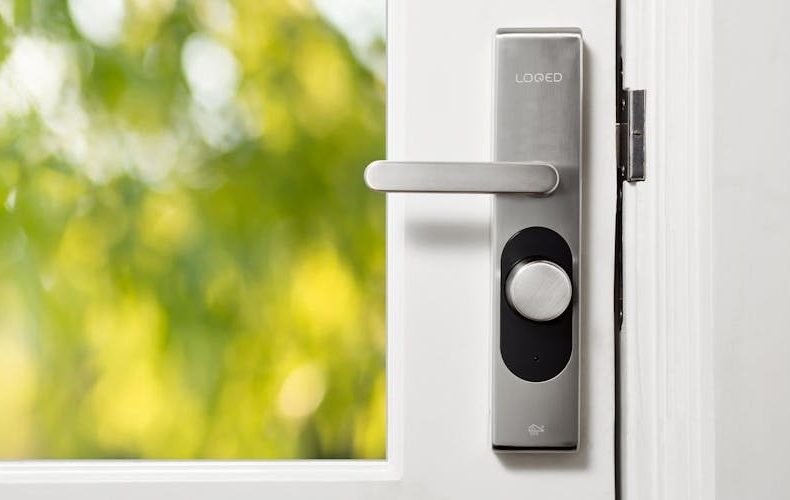
I locked myself out twice in one month last winter. The second time — 11 PM, freezing rain, $185 locksmith fee — was when I finally ordered my first smart lock. Since then I've installed and swapped out seven different models across two homes. The best smart locks in 2026 have gotten genuinely impressive: fingerprint sensors that recognize you in 0.3 seconds, Matter-over-Thread connectivity that works during internet outages, and ANSI Grade 1 deadbolts that resist drill attacks for over four minutes. But the market's crowded, and picking the right one is harder than it should be.
Here's what I've done. Over several months I've rotated between the Schlage Encode Plus, Yale Assure Lock 2, August Wi-Fi Smart Lock, Eufy S230, ULTRALOQ U-Bolt Pro, and the budget Wyze Lock Bolt. I tracked battery drain, tested fingerprint accuracy in cold weather (your fingers shrink — it matters), and checked app responsiveness from 200 miles away. This guide covers what held up, what disappointed me, and which lock deserves your money. No fluff. Just results.
Schlage Encode Plus — The Best Smart Lock in 2026 for Most Homes
At $299–$329, the Schlage Encode Plus earns its price. It carries ANSI/BHMA Grade AAA certification — the highest residential security rating available — and resisted high-speed steel drill bits for over four minutes in lab tests. Most competitors tap out around 90 seconds. Built-in WiFi means no bridge, no hub, no extra hardware.
Apple Home Key support lets you tap your iPhone or Apple Watch to unlock. No app launch needed. It also handles Google Assistant, Alexa, and up to 100 unique access codes — perfect for Airbnb hosts or anyone managing temporary access. Battery life runs six months on four AAs. The fingerprint-resistant touchscreen stays readable in direct sunlight. My only complaint? The exterior escutcheon is thick. On thin door frames it looks chunky.
Yale Assure Lock 2 — Modular and Matter-Ready
Yale offers three variants — standard, Touch (fingerprint), and Plus — each in keyed or key-free, touchscreen or keypad, Bluetooth or Wi-Fi. You build the lock you need instead of paying for features you'll ignore. The Wi-Fi fingerprint model runs $250–$280.
The real story is Matter-over-Thread support. Thread creates a local mesh network, so your lock responds even when your router dies. I tested this — unplugged my Eero, and the Yale kept working through my HomePod Mini as a Thread border router. Latency sat under 400 milliseconds versus 1.2 seconds over WiFi. Meaningful difference when you're holding groceries. The fingerprint sensor stumbles with wet fingers occasionally, but otherwise it's fast and accurate. Most future-proof pick on this list.
August Wi-Fi Smart Lock — Best for Renters
The August installs on the interior side of your existing deadbolt. Outside looks completely untouched. Landlord's key still works. Nobody knows you've got a smart lock. At $200, it's the cleanest solution for apartment renters who want remote access without violating a lease.
Auto-lock and auto-unlock via geofencing work well after some sensitivity tuning. Downside? Battery life averages four months on CR123 batteries — shorter than Schlage's six. No built-in keypad either, so you'll want the $30 Yale keypad add-on as backup. For the rental use case though, nothing else comes close.
Eufy S230 and Budget Picks Worth Considering
The Eufy S230 at $130–$160 nails fingerprint speed better than any lock I've tested — under one second from touch to unlock, roughly 95% recognition rate even with slightly dirty hands. The 10,000 mAh rechargeable battery lasts up to a year. IP65 weatherproof. BHMA certified. I've had mine on an exposed side door through Pacific Northwest rain since October. Zero issues. No Matter support and the app is merely functional, but at this price? Hard to argue.
The ULTRALOQ U-Bolt Pro ($200) gives you six unlocking methods — fingerprint, keypad, app, proximity, physical key, and mechanical backup. Meets ANSI Grade 1. Built-in door sensor tells you if the door is actually closed, not just locked. Smart feature. The Wyze Lock Bolt at $63 is Bluetooth-only — no remote access — but the fingerprint sensor stores 50 prints and the metal build quality surprised me. Perfect for a secondary door. Skip it for your front entrance.
Why Matter and Thread Protocol Support Matters in 2026
This is the year protocol choice stops being theoretical. Matter is the universal standard backed by Apple, Google, Amazon, and Samsung. Thread is the low-power mesh layer carrying those signals locally. Together they mean faster response, no cloud dependency, and operation during internet outages.
A Matter lock works across every major ecosystem without separate apps. Switch from Google Home to Apple Home? Lock follows. Thread border routers in HomePod Minis, some Eero units, and Nest Hub Max devices strengthen the mesh as you add devices. The Yale Assure Lock 2, Aqara U200, and Level Lock+ all support Matter over Thread right now. If you're buying a lock you want to last five-plus years, this is non-negotiable.
How to Choose the Right Smart Lock for Your Door
Measure your door thickness first — most locks handle 1⅜" to 2" doors, but older homes get weird. Check your deadbolt backset: either 2⅜" or 2¾" on standard American doors. Schlage and Yale include both plates. Some budget options don't.
Think about your daily routine. Phone-only person? WiFi with auto-unlock. Phone dies a lot? Get fingerprint or keypad backup. Renting? August. Airbnb host? Schlage's 100-code capacity. Building out a smart home ecosystem? Prioritize Matter-over-Thread. You'll thank yourself in two years when everything still plays nice together.
Do's and Don'ts
FAQs
Are smart locks actually secure enough for a front door?
The good ones absolutely are. The Schlage Encode Plus carries the highest residential security certification (ANSI/BHMA Grade AAA) and resisted drill attacks for over four minutes in lab conditions. Encryption uses AES-128 or AES-256, same standard as banking apps. The real vulnerability isn't hardware — it's weak access codes. Use six-plus digit PINs, don't reuse them, and enable two-factor auth if available.
How long do smart lock batteries last?
Depends entirely on connectivity type. WiFi locks drain faster — my August lasted four months. The Schlage averages six months on four AAs. Eufy's rechargeable 10,000 mAh battery goes a full year. Bluetooth-only locks like the Wyze stretch 8–12 months. Cold weather cuts all of these by 20–30%.
Can I install a smart lock myself?
Yes. Every lock here needs just a Phillips screwdriver. The August is easiest — interior thumb-turn replacement, about 10 minutes. Full deadbolt swaps like Schlage or Yale take 15–25 minutes. Only exception: non-standard bore holes or damaged door frames might need a locksmith.
What happens when WiFi goes down?
You're not locked out. Every lock has offline backup — keypad, fingerprint, physical key, or Bluetooth. WiFi outages only kill remote access. Matter-over-Thread locks like the Yale Assure Lock 2 keep smart features running through your local Thread mesh, which is a genuine advantage.
Do smart locks work for Airbnb rentals?
They're borderline essential. Schlage supports 100 scheduled access codes — give each guest a code valid only for their stay dates, auto-expires at checkout. No key handoffs, no lockboxes. ULTRALOQ and Yale offer similar temporary eKey sharing through their apps.
Is Matter over Thread worth the premium?
In 2026, yes. It means cross-platform compatibility (Apple, Google, Amazon, Samsung), faster local response times, continued operation during outages, and lower power draw. If you plan to keep your lock three-plus years, Matter support prevents it from becoming an orphaned device.













 Get it on
  Download on the