






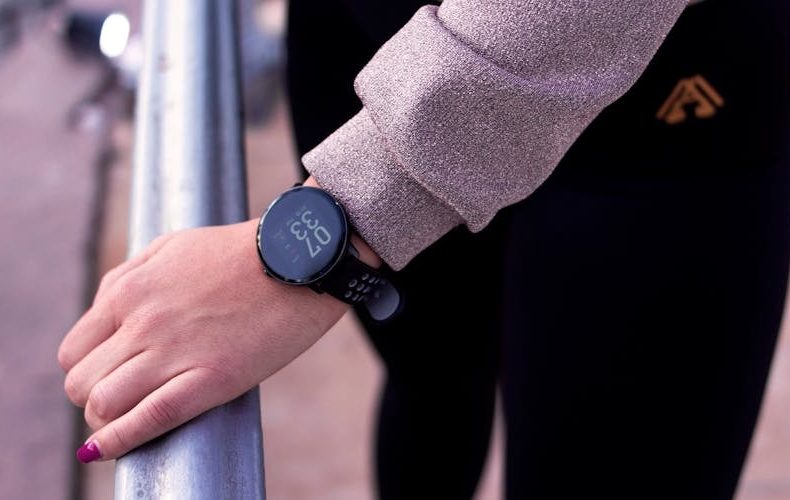
Finding the best smartwatches for Android 2026 shouldn't require a spreadsheet and three hours of YouTube reviews, but here we are. Samsung's pushing a cushion-shaped Galaxy Watch 8 with Gemini baked in. Google finally gave the Pixel Watch 4 a battery that doesn't die by dinner. OnePlus showed up with titanium and a 120-hour runtime that made everyone flinch. Garmin dropped the Venu 4 at $549 for fitness obsessives, and Amazfit released the Balance 2 with a 21-day battery that makes everything else look lazy. Plenty of options — most aren't worth your money, but a few are genuinely excellent.
I've rotated through these watches over months, pairing them with Pixels, Galaxy phones, and a OnePlus 13 to test what actually works across Android. Some play favorites with their parent brand. Others gatekeep features behind half-finished companion apps. This guide covers six watches across different budgets with real specs and honest takes. No sponsorship disclaimers needed.
Samsung Galaxy Watch 8: Best Smartwatches for Android 2026 Overall
Samsung redesigned the Watch 8 with a "cushion" shape blending square and circular — odd in photos, but it grew on me fast. The 40mm starts at $349 (up $50 from last year), while the 46mm Classic hits $499 with the rotating bezel that Samsung loyalists refuse to abandon. The Exynos W1000, 2GB RAM, and 32GB storage power Wear OS 6 through One UI 8 Watch smoothly. That 3,000-nit display? Readable in direct afternoon sun, which the older Pixel Watch 3 couldn't match. Gemini runs natively and handles contextual reminders surprisingly well. Battery sits around two days with always-on display. Adequate. Not thrilling.


Google Pixel Watch 4: Pure Android, No Asterisks
The Pixel Watch 4 earns second place because it works equally well with a Galaxy S26, a Pixel 10, or a OnePlus 14. No feature gatekeeping. At $349 (41mm) or $399 (45mm), Google adds satellite SOS messaging — genuinely useful for backcountry hiking. The Snapdragon W5 Gen 2 pushes the 45mm to roughly 40 hours of real-world battery, a 25% jump over the Watch 3. Display peaks at 3,000 nits, tied with Samsung. Fitbit integration remains the strongest fitness suite on Wear OS, especially for runners wanting pace coaching. One honest warning: users report battery degradation after a few weeks. Worth monitoring before you commit.


OnePlus Watch 3: Best Smartwatches for Android 2026 Value Pick
OnePlus blindsided the competition. Titanium bezel, sapphire crystal, 1.5-inch LTPO display, and a 648mAh battery delivering 120 hours of actual use. Five full days. That obliterates both the Galaxy Watch Ultra and Apple Watch Ultra for longevity. Originally $329, tariffs pushed the US price to $499 — which hurts the value story. You still get MIL-STD-810H durability, dual-frequency GPS that locks on between Manhattan skyscrapers, and a rotating crown that actually works this generation. The catch: Android-only and locked into the OHealth app, which is functional but lacks Samsung Health's polish. OnePlus phone owner? No-brainer. Everyone else? Depends on whether five-day battery trumps app ecosystem depth.


Garmin Venu 4: The Fitness-First Android Smartwatch
Expensive at $549.99. That's the elephant. But here's what justifies it: 12 days of battery, multi-band GNSS with SatIQ for GPS accuracy that embarrasses every Wear OS watch, and the Elevate Gen 5 heart rate sensor with ECG. The built-in LED flashlight sounds gimmicky until you're running trails at 6 AM in November. HRV status, Body Battery, training readiness, wrist-based running dynamics — Garmin packs more actionable fitness data per screen than most watches deliver across their entire app. The tradeoff: no Google Assistant, a limited app store, and notification handling that feels like 2019. Want a smartwatch that tracks fitness? Look elsewhere. Want a fitness computer that tells time? This is it.

Amazfit Balance 2: 21 Days, Zero Subscriptions
At $299, the Balance 2 makes a strong case for skipping Samsung and Google entirely. The 1.5-inch AMOLED hits 2,000 nits behind sapphire glass — scratch resistance that watches costing twice as much skip. The BioTracker 6.0 handles heart rate, SpO2, blood pressure, and skin temperature without a monthly subscription (looking at you, Fitbit Premium). I charged this watch three times in two months during testing. Three times. Dual-band GPS tracks accurately through city blocks and wooded trails. It supports 170+ sport modes including Hyrox and golf with offline maps. Zepp OS won't win design awards and third-party apps are thin, but for health tracking and battery at this price, nothing competes.

What Actually Matters When Choosing
Specs without context are useless. A 3,000-nit display means nothing if you work indoors. Five-day battery doesn't help if you forget to charge anything anyway. Phone compatibility is the real first filter — Samsung watches lose features on non-Samsung phones, Pixel watches are brand-agnostic, OnePlus locks you in. For health tracking accuracy, Garmin and Fitbit win independent tests consistently, though Samsung and Amazfit have closed the gap. The biggest choice: Wear OS delivers smart features but drains in two days, while Zepp OS and Garmin sip power for weeks. Pick your side.

Do's and Don'ts

FAQs
What is the best smartwatch for Android in 2026 overall?
The Samsung Galaxy Watch 8 takes the top spot for most users with Wear OS 6, Gemini AI, and the most polished software at $349. If you use a non-Samsung phone, the Pixel Watch 4 at the same price is equally strong — it's the most brand-agnostic Wear OS watch and works identically across all Android phones.
How long do Android smartwatch batteries actually last?
Real-world numbers vary wildly. The Galaxy Watch 8 delivers 1.5-2 days with always-on display. The Pixel Watch 4 45mm hits about 40 hours. OnePlus Watch 3 stretches to 5 days with its 648mAh battery. And the Amazfit Balance 2 genuinely reaches 21 days because Zepp OS sips power compared to Wear OS. If battery anxiety drives you crazy, skip Wear OS entirely and go Amazfit or Garmin.
Do Samsung Galaxy Watches work with non-Samsung phones?
Yes, with caveats. Core features — fitness tracking, notifications, Google Assistant — work fine on any Android 11+ phone. But ECG and blood pressure tracking require a Samsung phone with the Samsung Health Monitor app. The Pixel Watch 4 offers the most consistent cross-brand experience if you switch phones frequently.
Is the Garmin Venu 4 worth $549?
For serious fitness enthusiasts, absolutely. You're paying for 12-day battery life, the most accurate GPS in any smartwatch, ECG, and training analytics that no Wear OS watch matches. For casual users who mainly want notifications and step counting, it's overkill — grab a Galaxy Watch 8 or Amazfit Balance 2 instead and save $200-250.
Are budget Android smartwatches under $200 any good?
The gap between budget and premium has narrowed significantly. The Amazfit Active 2 at $99 tracks heart rate accurately, lasts a week, and handles notifications — that covers 80% of what users need. The discounted Galaxy Watch 7 gives full Wear OS under $200. You lose titanium and sapphire glass, but for daily wear and basic fitness, budget watches deliver without remorse.
Should I wait for the Samsung Galaxy Watch 9?
The Watch 9 likely won't arrive until July 2026, and early leaks suggest incremental upgrades. The Watch 8 is mature and available now — six months of use before the next one even launches. Unless Samsung announces a new processor, buying today is the smarter move.
Related Posts:



Twenty years from now you will be more disappointed by the things that you didn’t do than by the ones you did do. Sail away from the safe harbor.
 Get it on
  Download on the