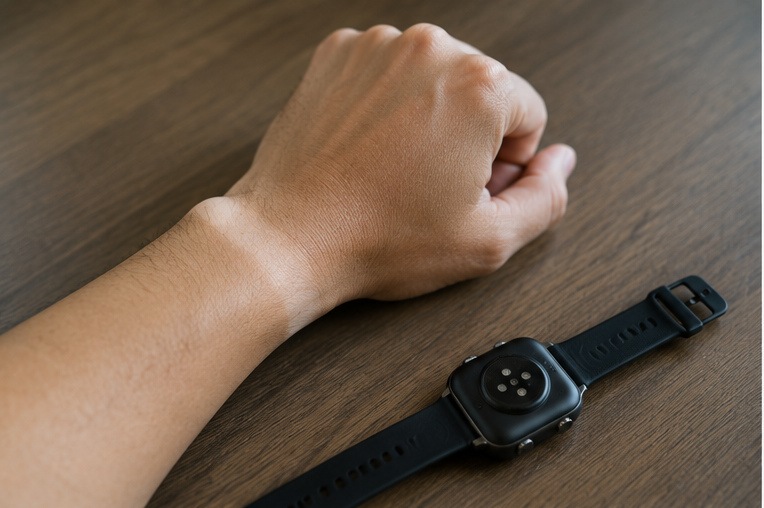
For three years my smartwatch left my wrist only to charge, and like most daily wearers I had stopped asking whether it earned its place, because things you never remove become invisible. So I removed it, for thirty days, and paid attention. No tracking, no wrist notifications, no rings to close, just a watch shaped tan line and a notebook for observations.
The month sorted the smartwatch's features into three honest piles, which are the things I genuinely missed, the things I was surprised to feel relieved about, and the things I had been using for three years without them ever mattering at all. If you are deciding whether to buy one, upgrade one, or quietly retire one, these piles are more useful than any spec sheet.
The Three Piles
Feature
After 30 days without it
Timers and alarms on the wrist
Genuinely missed, daily
Workout logging
Missed, and my substitute was worse
Seeing who is calling from my wrist
Missed in meetings and while cooking
Notification buzzes all day
Relieved to lose them, dramatically
Sleep scores
Not missed at all, slept identically
Step counts and rings
Not missed, and the guilt left with them
Weather, music controls, wallet
Barely noticed, phone did all of it
What I Actually Missed
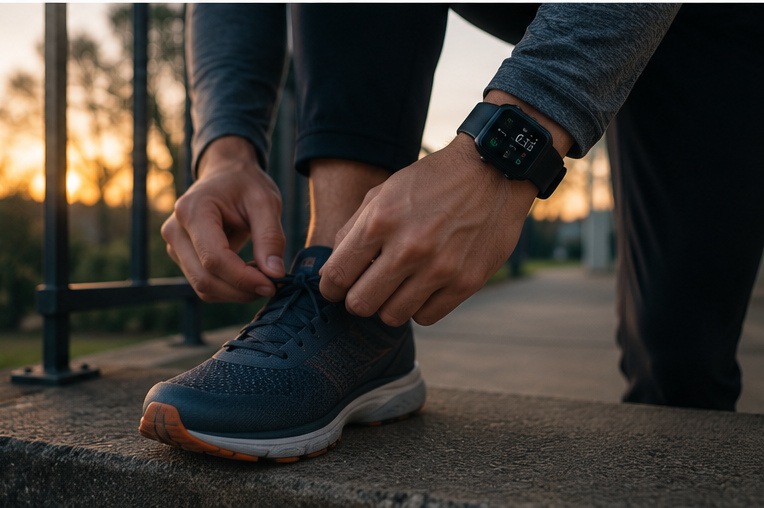
The losses were smaller and more domestic than expected. Kitchen timers, morning alarms that wake one person instead of two, and a discreet glance at who is calling during a meeting turned out to be the smartwatch's real daily work, unglamorous conveniences that I reached for a dozen times a week and genuinely felt losing. Workout tracking was the other true loss, not because the data was profound but because logging exercise on a phone mid run is clumsy enough that I logged less, and what gets logged genuinely does get done more.
Notice what those losses have in common. None of them appear in smartwatch advertising, which sells health revelations and connected living, and all of them are conveniences a $60 watch handles as well as a $450 one.
What I Was Relieved to Lose
The revelation of the month was the silence. Three years of wrist buzzes had installed a low background alertness that I only perceived once it stopped, and its absence felt the way a fridge sounds when it stops humming. My phone stayed in my pocket more, not less, which inverts the smartwatch's founding promise, and when I later ran the tracking experiment from our notification audit article, the wrist turned out to have been delivering the most interruptive slice of an already absurd stream.
The second relief was quieter. Sleep scores and daily rings had been grading my body for three years, and stepping off the scoreboard changed nothing physical while removing a small daily judgement I had stopped noticing I received. I slept the same without being scored on it. I walked roughly the same without being congratulated for it. For health data to justify its constant presence it needs to change behaviour, and mine, honestly audited, had stopped responding to it sometime in year one.
Who Should Actually Own One
The month ended with the watch back on my wrist, but changed. Every app notification is now off, only calls and messages from actual humans reach it, sleep tracking is abandoned, and it has returned to being what the missed pile said it really was, which is a superb timer, alarm, call screen, and workout logger that also tells the time.
The honest buying advice follows the piles. If you train regularly, take calls on the move, or live by timers, a smartwatch earns its wrist space, and the budget brands our $100 guide praised deliver that entire missed pile for a fifth of flagship money. If you are buying one to be healthier by owning data, three years of my data suggests the effect has a short half life. And if you already own one, the free upgrade is ruthless notification surgery, which took ten minutes and gave me the best of both months.
Frequently Asked Questions
Did anything bad happen from not tracking health for a month? Nothing measurable. Sleep, exercise, and weight all carried on identically, which was itself the finding. Tracking is a mirror, not a motor, and mirrors only matter while you are still adjusting to what they show.
What did you use for alarms and timers without the watch? The phone, and it was genuinely worse, waking my partner, demanding wet hands touch a screen while cooking, and living in another room at the wrong moments. This unglamorous category was the watch's clearest win.
Is an expensive smartwatch better than a budget one for what actually matters? For the missed pile, meaning timers, alarms, calls, and basic workout logging, no, and budget brands like Amazfit cover it with far longer battery life. Flagship watches justify themselves through app ecosystems, advanced health sensors, and phone integration, which my month suggests are exactly the layers most wearers could lose without noticing.
Should notifications be on a watch at all? Messages from humans, arguably yes, since a glance costs less attention than a phone retrieval. Everything else is the part I was relieved to lose, and every platform lets you make that split in minutes, a process our notification tracking article walks through.
Do sleep trackers actually improve sleep? They describe it, sometimes usefully for spotting patterns or problems worth a doctor's visit. For ordinary sleepers, a month without scores changed nothing for me, and there is a documented tendency for sleep tracking to make some people anxious about sleep in ways that worsen it.
What surprised you most about going without? That I checked my phone less, not more. The watch had been advertised to me, and by me to myself, as the thing that kept the phone away, and its removal revealed it had become the phone's most persistent recruiter.
We use cookies to see which reviews and buying guides readers find useful, so we can keep improving them. Accept analytics cookies, or carry on with essential ones only. See our Cookie Policy.











 Get it on
  Download on the