The Internet of Things is changing how devices talk to each other and to humans. In 2026 Internet of Things is used in areas like healthcare making things moving things around and growing food. Things like fitness trackers, smart cars and sensors in factories are creating a network of devices that share information right away.
Many people still do not understand Internet of Things. The idea of devices talking to each other seems strange.. Internet of Things is just about linking things to the internet to make them smarter.
What is the Internet of Things (IoT)
The Internet of Things is a network of things connected to the internet. These things have sensors and software that help them talk to their surroundings and other things.
Unlike devices that work alone Internet of Things devices work together. This helps them do tasks automatically and give insights. Examples are temperature controls and wearable devices.
How IoT Works
Internet of Things systems work with devices, connections, data processing and user interfaces. Devices with sensors collect data like temperature or movement. This data goes to a system or cloud where it is analyzed.
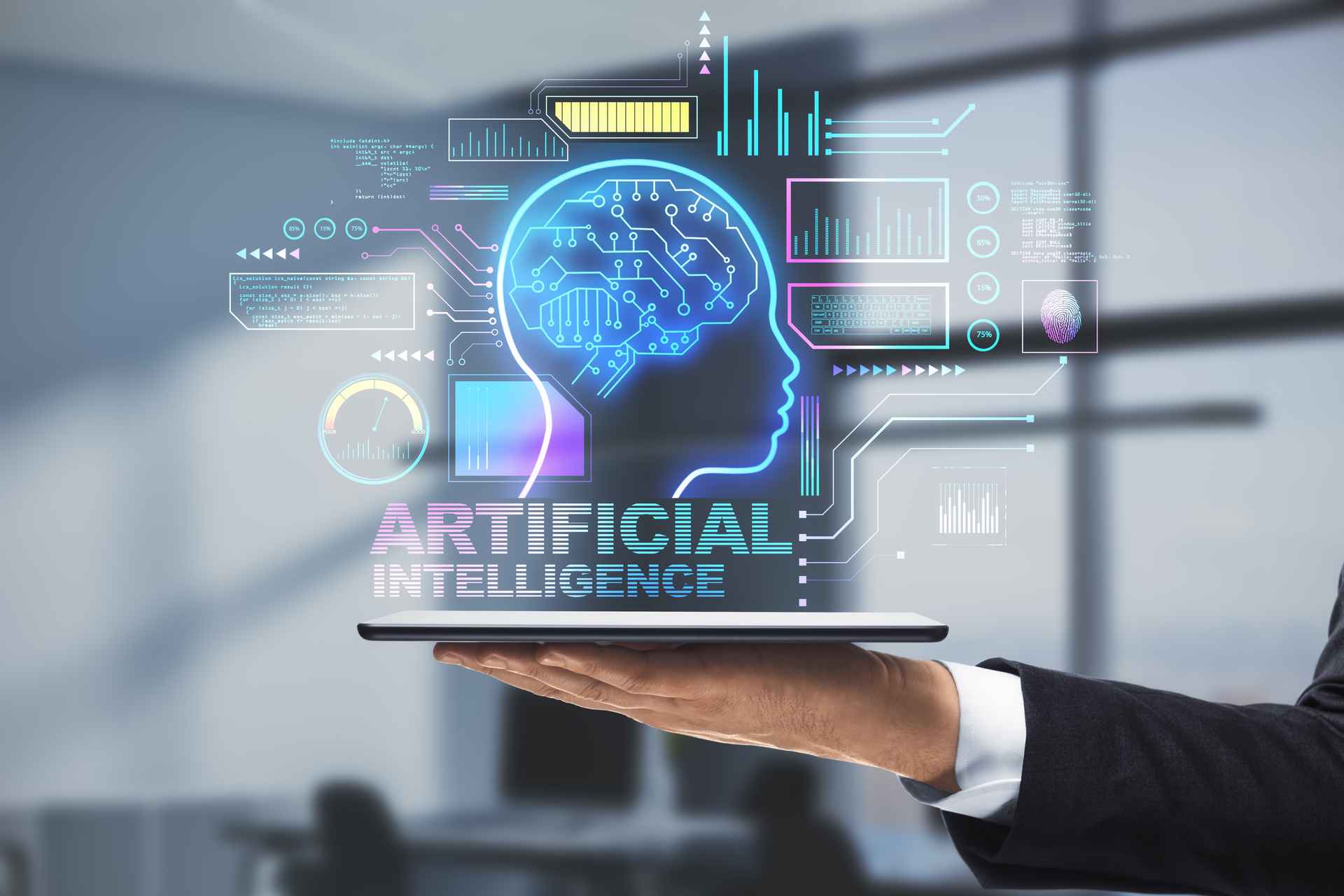
The cloud and artificial intelligence make Internet of Things better. They help make decisions and automate tasks.
Key Components of IoT
Devices and Sensors Devices are parts of Internet of Things systems. They have sensors that collect data. These sensors measure things like temperature and movement.
Connectivity Internet of Things devices talk to each other with networks like Wi-Fi or Bluetooth. This helps send data between devices and systems.
Data Processing Collected data is processed on a computer or in the cloud. This helps systems make decisions.
User Interface People use Internet of Things systems with apps or dashboards. These interfaces give insights. Let people control devices.
Examples of IoT Devices
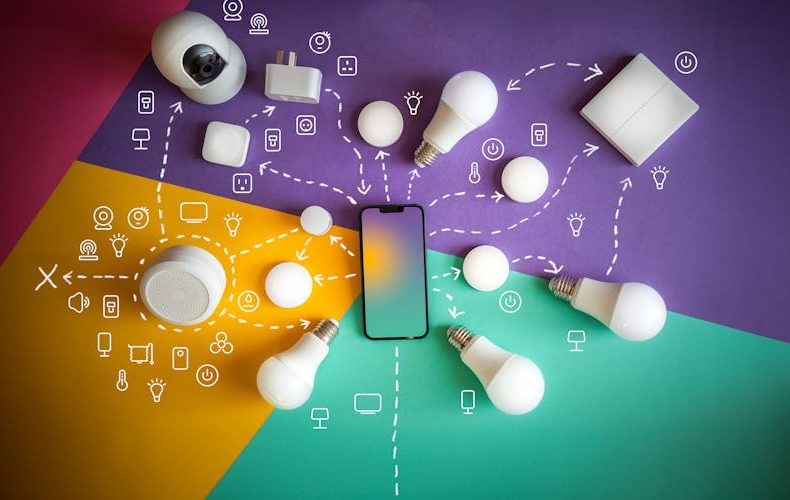
Internet of Things devices are in parts of daily life. Smart home devices automate tasks. Wearable devices track health metrics.
In transportation connected cars give navigation and safety features. Industrial Internet of Things systems monitor equipment.
Benefits of IoT
The Internet of Things has advantages. One advantage is automation. Devices do tasks without help. This saves time.
Another advantage is data-driven decision-making. Internet of Things systems give insights. Additionally Internet of Things enhances connections between devices.
Use Cases of IoT in Different Industries
Smart Homes The Internet of Things helps with household devices. It makes things easier. Uses less energy.
Healthcare Wearable devices monitor health. They give data to healthcare providers.
Manufacturing Industrial Internet of Things systems make production better. They reduce downtime.
Transportation Connected vehicles are safer. They give navigation.
Agriculture Internet of Things sensors monitor soil and weather. They help with crop management.
Challenges and Risks of IoT
The Internet of Things has challenges. One challenge is security. Connected devices can be attacked.
Another challenge is getting devices to work together. Managing data can be complex.
Fixing these challenges is important, for Internet of Things.
IoT vs Traditional Systems
Do’s Don’ts
Frequently Asked Questions
What is IoT?
It is a group of devices that are linked together. These devices. Share information.
How does IoT work?
These devices collect information send it and start actions.
What are examples of IoT devices?
This includes homes, fitness trackers and cars that can connect to the internet.
Is IoT secure?
If we take the steps this system can be safe.
What are the benefits of IoT?
It helps with tasks makes things run smoother and gives us useful information.
What are the risks of IoT?
However there are some issues, with security and keeping peoples data private.
Where is IoT used?
This system is used in homes, hospitals, factories and many other areas.
What is the future of IoT?
It also works well with intelligence and other advanced tools.










 Get it on
  Download on the