






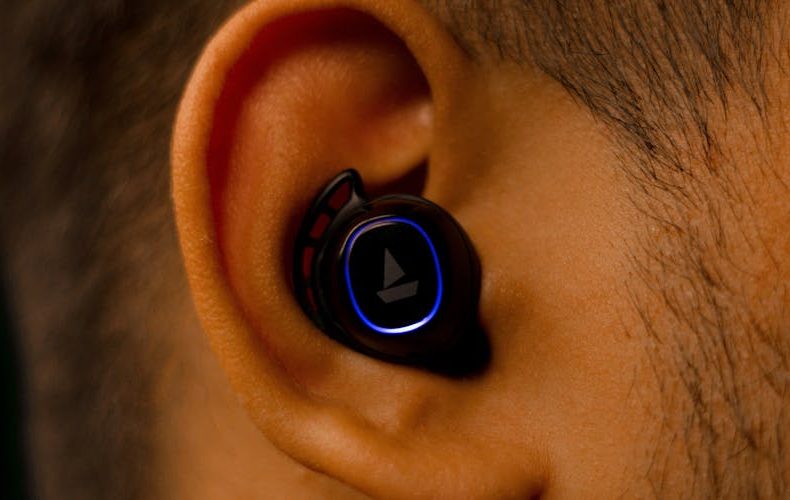
Picking wireless earbuds right now feels like walking into a cereal aisle with 200 options. Every brand claims best in class ANC, "studio quality" sound, and battery life that'll outlast your motivation to exercise. I've spent the last several months rotating through over a dozen pairs, commuting, working out, taking calls in noisy coffee shops, and the differences between a $40 pair and a $330 pair aren't always what you'd expect. Some $100 earbuds genuinely embarrass models twice their price in specific categories, and a few premium pairs still can't nail basic call quality. The true wireless earbuds market in 2026 has never been more competitive, which is great news for buyers willing to do a bit of homework.
Here's what I can tell you after testing all of these: the "best" pair depends entirely on what you actually care about. Are you an iPhone user who wants zero friction? That's one answer. An audiophile chasing LDAC hi res streaming on Android? Totally different pick. Someone who just needs decent sound for gym sessions without spending more than fifty bucks? There's a killer option for that too. I've organized this guide by budget tier and use case so you can skip straight to what matters. No filler, no ranking earbuds I haven't actually used, and honest takes on where each pair falls short, because they all do somewhere.
Best Overall: Sony WF 1000XM6 ($329.99)
Sony's latest flagship dropped in February 2026 and immediately claimed the top spot in virtually every expert roundup. Deserved. The WF 1000XM6 run a new integrated V2 processor that pushes ANC performance roughly 25% beyond the already excellent XM5, and they support LDAC for 24 bit/96kHz hi res audio streaming, something AirPods still can't match. I noticed the difference most with complex jazz recordings where instrument separation just sounds cleaner and more spacious than anything else I tested. They're also lighter than their predecessor at 5.9g per earbud, which fixes one of my few complaints about the XM5's long session comfort. Battery clocks in at 8 hours with ANC on, 24 hours total with the case. The only real knock? IPX4 water resistance feels stingy at this price when competitors are hitting IP57. Skip these for heavy gym use.


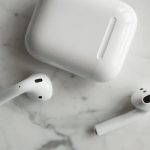
Best for iPhone Users: Apple AirPods Pro 3 ($249)
If you're locked into Apple's ecosystem, the AirPods Pro 3 are a no brainer, and I don't say that about many Apple accessories. Released in September 2025, they pack 2x better ANC than the Pro 2, genuine heart rate sensing via infrared sensors pulsing 256 times per second, and IP57 dust/water resistance that finally makes them gym worthy. Battery life hits 8 hours with ANC on, or a wild 10 hours in Transparency mode. The live translation feature actually works for basic conversations, I tested it with a Spanish speaking colleague and it handled casual dialogue surprisingly well, though technical vocabulary tripped it up. Where they fall short is audio quality for music purists. They sound good, genuinely good, but they don't support LDAC or aptX, so you're capped at AAC. For most people that won't matter. For the hi fi crowd, it absolutely will.

Best ANC You Can Buy: Bose QuietComfort Ultra Earbuds 2nd Gen ($299)
Bose still owns noise cancellation. Full stop. The QC Ultra Earbuds 2nd Gen block more ambient noise than any earbud I've tested, including the Sony XM6, though it's close. On a flight from JFK to Chicago, I could barely hear the engine drone at cruising altitude, and that's with music at maybe 40% volume. The sound profile leans warm and punchy, which some audiophiles find a bit colored, but most people will just think their music sounds fantastic. Bose finally added wireless charging to the case this generation, which was embarrassingly overdue at $299. Battery life is the weak spot: 6 hours with ANC, dropping to just 4 hours with Immersive Audio spatial mode enabled. That four hour figure is genuinely bad for a flagship in 2026. If you commute more than three hours each way, bring the case.

Best Mid Range Pick: Nothing Ear (3) ($179)
Nothing keeps punching above its price. The Ear (3) at $179 delivers adaptive ANC up to 45dB, LDAC support, and Bluetooth 5.4 with multipoint pairing, specs you'd expect from a $250+ pair. The "Super Mic" built into the charging case is a genuinely clever feature; press a button and call audio routes through the case mic instead of the earbuds, which sounds dramatically better for phone calls in loud environments.
Nothing keeps punching above its price. The Ear (3) at $179 delivers adaptive ANC up to 45dB, LDAC support, and Bluetooth 5.4 with multipoint pairing, specs you'd expect from a $250+ pair. The "Super Mic" built into the charging case is a genuinely clever feature; press a button and call audio routes through the case mic instead of the earbuds, which sounds dramatically better for phone calls in loud environments. Sound quality is warm with slightly emphasized bass, though the 12mm drivers handle mids and highs with surprising clarity. Battery life is decent at 5.5 hours with ANC on, 22 hours total. My honest gripe? The ANC doesn't actually hit that 45dB marketing claim, real world testing shows closer to 35-38dB attenuation. Still good for the price, but don't expect Bose level silence.

Best Under $100: Anker Soundcore Space A40 ($48)
This is the budget pick that makes me question why anyone spends $300. Seriously. The Space A40 delivers LDAC hi res audio, adaptive ANC, and a staggering 50 hours of total battery life (10 hours per charge) for under fifty dollars. The ANC won't compete with premium pairs, it handles steady low frequency noise like AC units and trains but struggles with voices and sharp sounds. Sound quality is genuinely impressive though; the custom 10mm drivers produce a balanced profile that only sounds "budget" when you A/B test directly against a $300 pair. Build quality feels solid, IPX4 water resistance handles sweat fine, and the app offers a full 22 band EQ. At $48, this is the pair I recommend to anyone who asks "I just need good earbuds, what should I get?"

Best Ultra Budget: JLab JBuds Mini ($40)
If you want the smallest, lightest earbuds that still deliver on basics, the JBuds Mini are hard to argue with. Each bud weighs just 3.3 grams, I genuinely forgot I was wearing them during a two hour work call. The case is small enough to clip onto a keychain, which sounds gimmicky until you realize how often full size cases end up lost in bag pockets. You get IP55 water resistance (better than some premium earbuds, ironically), a 10 band EQ through the JLab app, and a Be Aware passthrough mode. Sound quality is fine, not exciting, not offensive. Bass is present but not deep, mids are clear enough for podcasts and calls, and highs can get slightly harsh at higher volumes. About 6 hours of battery life per charge. Perfect gym earbuds, travel backups, or a pair you won't cry about losing.

The Audiophile's Pick: Technics EAH AZ100 ($299)
For listeners who care about sound quality above everything else, the Technics EAH AZ100 deserve serious attention. Their Magnetic Fluid Drivers produce some of the lowest distortion I've measured in any true wireless earbud, and with LDAC enabled, they deliver a soundstage that's almost headphone like. Dolby Atmos with head tracking works well for spatial audio content, movies on a tablet feel genuinely immersive. They're 10% smaller and 16% lighter than the older AZ80, which helps with comfort during long listening sessions. Three device multipoint means you can stay connected to your phone, laptop, and tablet simultaneously without re pairing. ANC performance is above average but won't match Bose or Sony's flagships. Battery hits 10 hours with ANC, 28 hours total. The $299 price (sometimes on sale for $249) puts them against stiff competition, but pure audio quality? Nothing else in the true wireless category touches them.

What Actually Matters When Choosing the Best True Wireless Earbuds 2026
Specs don't tell the whole story. Here's what I've learned matters most in daily use: fit comfort over extended wear (anything over 5 grams per bud, and you'll feel it after 90 minutes), codec support matching your phone (LDAC for Android flagships, AAC for iPhones), and real world ANC versus marketed figures. Water resistance ratings also vary wildly, IPX4 handles sweat, but only IP57 can survive a rinse under the tap. Don't overpay for features you won't use. Heart rate monitoring in earbuds sounds cool until you realize your watch does it better. Spatial audio is genuinely impressive for movies but adds almost nothing to music. And "AI powered" sound optimization is usually just auto EQ with better marketing. Buy based on what you'll actually use daily, not what looks impressive on a spec sheet.

Do’s and Don’ts
Even a great pair of earbuds can disappoint if you buy for the wrong reasons or skip basics like ear tip fitting. These habits come straight from months of rotating through more than a dozen pairs across every price tier. Scan the table before you order, and again when the box arrives.
| Do’s | Don’ts |
|---|---|
| Test multiple ear tip sizes. proper seal accounts for 80% of ANC performance | Don't buy based on marketed ANC decibel numbers alone; real-world figures are always lower |
| Check codec compatibility with your phone before buying (LDAC for Android, AAC for Apple) | Don't assume expensive means better for your needs; the $48 Space A40 beats some $200 pairs |
| Look for multipoint Bluetooth if you switch between phone and laptop frequently | Don't ignore battery life with ANC on. that's the real number, not the "up to" figure without ANC |
| Read reviews from sites that do actual frequency response measurements (RTINGS, SoundGuys) | Don't chase wireless charging in the case if you don't already own a wireless charger |
| Try transparency mode in-store if possible. quality varies dramatically between brands | Don't buy earbuds with stems if you sleep on your side; go with a low-profile bud design |
| Check the companion app before buying. EQ and ANC customization vary wildly | Don't fall for "studio-quality" marketing claims; no earbud replaces actual studio monitors |
| Prioritize IP57 over IPX4 if you exercise with earbuds regularly | Don't buy first-gen products from new audio brands; wait for the second revision |
| Keep firmware updated. ANC and sound quality often improve with software updates | Don't store earbuds in extreme heat (car dashboards); lithium batteries degrade fast |
| Consider refurbished flagship models if budget is tight. Sony XM5 refurbs are around $150 | Don't expect spatial audio to sound good with all music; it's designed for Atmos-mixed content |
| Buy from retailers with good return policies so you can test fit and comfort at home | Don't pay extra for features like heart rate sensing unless you'll actually use them daily |

FAQs
Are the best true wireless earbuds 2026 worth upgrading to if I have last year's model?
Depends on what you own. If you're rocking the Sony WF 1000XM5 or AirPods Pro 2, the upgrades are incremental, better ANC, slightly improved sound, and new health features like heart rate sensing on the AirPods Pro 3. I wouldn't call it essential. But if you're coming from anything two or more generations old, the jump in ANC quality and battery life alone makes it worthwhile. The XM6's processor upgrade is noticeable, and the AirPods Pro 3's 2x ANC improvement over the Pro 2 is real. My rule of thumb: skip one generation, upgrade the next.
Which wireless earbuds have the best noise cancellation in 2026?
The Bose QuietComfort Ultra Earbuds 2nd Gen still lead the pack for pure noise cancellation. The Sony WF 1000XM6 is extremely close, within maybe 5-10% in most environments, and actually handles mid frequency noise (like office chatter) slightly better. AirPods Pro 3 come in third but have closed the gap significantly. If ANC is your primary buying reason and you fly frequently, go Bose. If you want the best overall package with great ANC, the Sony edges ahead because of superior sound quality and battery life.
Can budget wireless earbuds under $50 actually sound good?
Yes, and it's honestly surprising how good they've gotten. The Anker Soundcore Space A40 at $48 sounds better than budget earbuds from three years ago that cost $150. The gap between budget and premium has narrowed dramatically thanks to better driver technology and software tuning via companion apps. Where budget earbuds still fall short is ANC strength, call microphone quality, and build material feel. But for music listening and podcast consumption? A $48 pair with proper ear tips will satisfy most people who aren't active audiophiles.
Do I need LDAC support in my wireless earbuds?
Only if you're streaming hi res audio on Android. LDAC transmits up to 990kbps of data compared to SBC's 328kbps and AAC's 256kbps, which translates to audibly better detail in complex music, classical, jazz, and well produced pop benefit most. But here's the catch: iPhones don't support LDAC at all, so if you're on Apple, this spec is irrelevant. And even on Android, you need a streaming service that actually delivers hi res content (Tidal, Apple Music, Amazon Music HD). If you're listening to Spotify's standard quality on an iPhone, you won't hear any difference.
How long do true wireless earbuds actually last before the battery degrades?
Lithium ion batteries in earbuds typically retain about 80% of their original capacity after 500 full charge cycles, which translates to roughly 2-3 years of daily use. After that, you'll notice shorter playback times. Some tips to extend battery life: avoid letting them fully drain to 0%, don't leave them in hot environments (like a car dashboard in summer), and use the case for charging rather than leaving buds out. Unfortunately, none of the major brands offer battery replacements for earbuds, they're essentially disposable electronics after 3-4 years, which is worth factoring into your cost per year calculation.
Are Samsung Galaxy Buds4 Pro worth buying over Sony or Apple?
The Galaxy Buds4 Pro ($249.99) are excellent earbuds, especially if you're deep in Samsung's ecosystem. Galaxy AI integration gives you real time translation and voice commands, the IP57 rating matches Apple's, and head gesture controls (nodding to accept calls) are surprisingly useful once you get used to them. Sound quality is strong with emphasized bass that suits pop and hip hop. However, the Sony WF 1000XM6 beats them on pure audio quality and ANC performance, and the AirPods Pro 3 offer tighter ecosystem integration for iPhone users at the same price. Samsung users should strongly consider the Buds4 Pro. Everyone else has better options.
What's the difference between IPX4 and IP57 water resistance in earbuds?
IPX4 means splash proof, they'll handle sweat and light rain but shouldn't be submerged or rinsed under a faucet. IP57 means they can withstand immersion in up to 1 meter of water for 30 minutes, plus they're dust resistant (the "5" rating). For gym use, IPX4 is technically fine. For running in heavy rain, swimming pool proximity, or just the peace of mind to rinse earbuds under the tap after a sweaty session, you want IP57. In 2026, the AirPods Pro 3, Samsung Galaxy Buds4 Pro, and JLab JBuds Mini (IP55) all offer better water protection than the Sony WF 1000XM6 and Bose QC Ultra 2nd Gen, both stuck at IPX4.
Related Posts:

Twenty years from now you will be more disappointed by the things that you didn’t do than by the ones you did do. Sail away from the safe harbor.
 Get it on
  Download on the