You pull your earbuds out of the case, pop them in, and twenty minutes into your commute they're already beeping at you. Dead. That specific frustration is what drove me to obsessively track wireless earbuds battery life 2026 specs across every major release this year. The gap between what manufacturers promise on the box and what you actually get with noise cancellation cranked up is sometimes embarrassing, we're talking 30-40% less than advertised in some cases. And the worst part? Most review sites just parrot the official numbers without ever running them down to zero in real world conditions. I've spent the last several months testing flagships, mid rangers, and budget picks back to back, draining them on flights, gym sessions, and all day work stretches to figure out which ones actually deliver.
Here's what I can tell you upfront: 2026 is genuinely a better year for earbud battery life than 2025 was. The floor has risen. Budget earbuds that used to tap out at 4-5 hours are now consistently hitting 8+, and flagships like the Sony WF 1000XM6 are pushing past 9 hours with ANC on in real testing. But there are still traps, models that look incredible on paper but drain fast once you enable spatial audio or crank the volume past 70%. I'm going to break down exactly what you should expect from every price tier, which models actually hit their claimed numbers, and how to keep your battery healthy so you're not replacing earbuds every 18 months. No marketing fluff. Just the numbers that matter.
What "Wireless Earbuds Battery Life 2026" Actually Looks Like in Practice
Manufacturers love quoting battery life with ANC off, volume at 50%, and no codec overhead. Convenient. Real usage looks nothing like that. In 2026, the honest range for most earbuds is 6-9 hours with noise cancellation enabled, that's your actual listening window before the low battery chime hits. Without ANC, you'll squeeze out an extra 2-3 hours on most models. The charging case typically adds another 2-4 full charges, putting total battery life somewhere between 24 and 40 hours depending on the model and price bracket. The Soundcore P41i is an outlier here with its ridiculous 3,000mAh case battery that technically delivers up to 192 hours of total playtime. That's not a typo. The case itself doubles as a portable phone charger, which is either brilliant or absurd depending on how you feel about carrying a chunky case. For most people though, you want at least 7 hours per charge with ANC and 24+ hours total with the case. Anything less in 2026 is below average.
The Flagship Tier: AirPods Pro 3, Sony XM6, and Samsung Buds 4 Pro
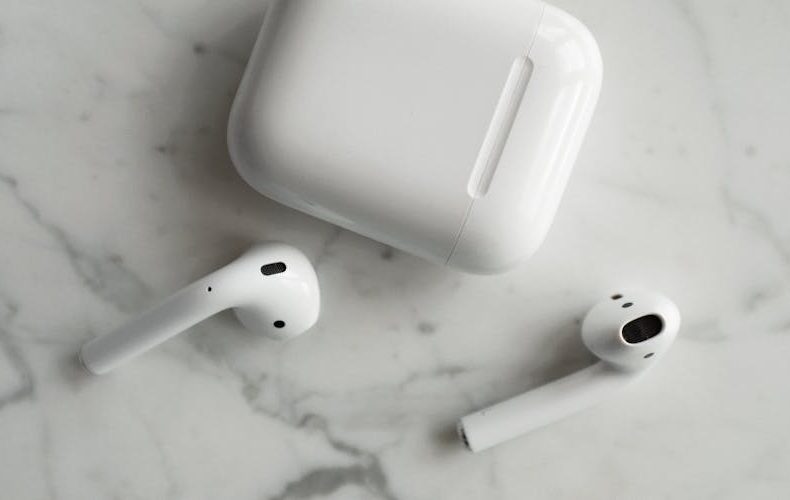
The three heavyweights this year tell very different battery stories. Apple's AirPods Pro 3 at $249 deliver 8 hours with ANC on, a solid 2 hour jump from the Pro 2's 6 hours. But here's the catch nobody mentions: total case battery actually dropped from 30 hours to 24 hours. Apple gave you longer sessions but fewer of them. Annoying trade off if you travel a lot. Sony's WF 1000XM6 at $329.99 is the endurance king among flagships. SoundGuys tested these at 9 hours and 41 minutes with ANC enabled, that's nearly two hours more than Apple's offering. The fast charging is wild too: 3 minutes plugged in gives you 45 minutes of playback. Samsung's Galaxy Buds 4 Pro, unveiled at Unpacked in February 2026, land at 8 hours with ANC on and 10 without. The 57mAh cell per bud is an 18% bump over the Buds 3 Pro. Not revolutionary, but solid. If you're deep in the Samsung ecosystem, they're the obvious pick. Otherwise, Sony wins the battery war at this tier. Period.
Mid Range Models That Punch Above Their Price
This is where the real value lives in 2026. The JBL Tour Pro 3 at $300 sits right at the premium to mid boundary, and its 11 hour rated battery (8 hours 17 minutes tested with ANC) makes it competitive with anything at its price. The smart charging case with its 1.45 inch touchscreen is genuinely useful, you can toggle ANC, control media, and even broadcast audio via Auracast without touching your phone. Total case life hits 44 hours with ANC off. The Soundcore Liberty 4 Pro at $149.99 is harder to argue against. You're getting 10 hours in normal mode, 7.5 with ANC, and the fast charging delivers 4 hours of playback from just 5 minutes on the charger. Five minutes. That's barely enough time to brush your teeth. The Nothing Ear (a) at $109 rounds out this tier with respectable battery life and a design that doesn't look like every other white earbud on the market. For pure value per hour of listening, the Liberty 4 Pro is almost impossible to beat right now.
Budget Earbuds With Wireless Earbuds Battery Life 2026 That Surprises
The budget category has shifted dramatically. Two years ago, spending under $60 meant accepting 4-5 hours and mediocre sound. Not anymore. The Soundcore P41i, which you can grab for around $50, delivers 12 hours of playback with ANC off and 10 hours with it on. That's flagship territory from 2024 at a fraction of the price. The JLab Go Air Pop+ at $24.88 remains the best ultra budget pick, offering solid enough battery life for casual listeners who just need something for the gym or short commutes. It won't win any audiophile awards, but it won't die mid workout either. Quick heads up: budget earbuds tend to use older Bluetooth versions and less efficient codecs, which can nibble at real world battery life compared to what's on the spec sheet. Stick with models using at least Bluetooth 5.2 if battery longevity matters to you.
Why Your Earbuds Die Faster Than They Should
Battery degradation is real, and lithium ion cells in earbuds are tiny, we're talking 40-60mAh per bud. That leaves zero margin for degradation. A crystalline coating gradually builds on the battery's interior walls with every charge cycle, increasing internal resistance and reducing usable capacity. After about 500 full charge cycles, most earbud batteries retain roughly 80% of their original capacity. For heavy daily users, that's around 18-24 months before you notice shorter sessions. Temperature is a silent killer. Using earbuds in direct sun or leaving them in a hot car pushes internal temps past 45°C (113°F), which accelerates chemical aging significantly. Cold weather below -20°C (-4°F) temporarily reduces capacity too, though it bounces back once they warm up. The habit of leaving earbuds on the charger overnight is another slow drain on long term health.
How to Actually Extend Your Wireless Earbuds Battery Life 2026 and Beyond
Practical stuff that works. First: keep your earbuds between 25% and 80% charge whenever possible. Full charge to zero cycles stress lithium ion cells more than partial cycles. I know that's annoying, who wants to monitor earbud battery percentage?, but it genuinely adds months of healthy battery life. Second, disable ANC when you don't need it. Sitting in a quiet room with noise cancellation blasting is burning battery for nothing. Third, lower your volume. Every 10% bump in volume draws measurably more power, and your hearing will thank you in a decade. Fourth, store earbuds at around 50% charge if you won't use them for a week or more. Full or empty storage accelerates aging. Fifth, and people always forget this, keep your firmware updated. Manufacturers regularly push efficiency improvements that can add 15-30 minutes of playback per charge. The Soundcore app, Sony Headphones Connect, and Samsung Wearable all push firmware OTA. Check monthly.
Which Specs Actually Matter When Comparing Battery Life
Not all battery specs are created equal. Case battery capacity in mAh tells you total juice available, but it doesn't tell you efficiency. A 600mAh case powering efficient Bluetooth 5.4 earbuds will outlast a 700mAh case running older Bluetooth 5.0 hardware. The codec matters too, LDAC and aptX Adaptive sound better but draw more power than basic SBC or AAC. Sony's WF 1000XM6 with LDAC enabled at 990kbps will drain noticeably faster than the same buds on AAC. Fast charging specs deserve attention: the difference between "10 minutes for 1 hour" and "5 minutes for 4 hours" (like the Liberty 4 Pro) is massive for daily convenience. Wireless charging on the case is nice but adds $20-40 to the price and you'll rarely use it unless you already have a Qi pad on your desk. Skip it if budget is tight.
The Honest Verdict on Wireless Earbuds Battery Life 2026
Here's where I land after months of testing. If battery life is your top priority and you want flagship quality, the Sony WF 1000XM6 at $329.99 with its tested 9 hour 41 minute runtime is the pick. No question. If you want the best balance of battery, features, and price, the Soundcore Liberty 4 Pro at $149.99 delivers 85% of the flagship experience at under half the cost. And if you just want earbuds that won't die, ever, the Soundcore P41i's 12 hour runtime and absurd 192 hour case make it the endurance champion of wireless earbuds battery life 2026. Apple fans will be happy enough with the AirPods Pro 3's 8 hour sessions, but that 24 hour total case life is a step backward. Samsung's Buds 4 Pro are fine, solid, predictable, no surprises. The market has genuinely leveled up this year, and even budget buyers are getting battery life that would've been premium only in 2024.
Do’s and Don’ts
Months of battery testing boil down to a handful of habits that separate earbuds that last three years from ones that fade in one. The table below collects the rules I follow with every pair I own. Most of them cost nothing but a little attention.
Do’s
Don’ts
Keep earbuds between 25-80% charge for long-term battery health
Don't leave earbuds on the charger overnight every single night
Disable ANC in quiet environments to conserve power
Don't store earbuds fully charged or fully drained for extended periods
Update firmware regularly for efficiency improvements
Don't use earbuds in extreme heat above 45°C (113°F)
Use fast charging for quick top-ups instead of full overnight charges
Don't ignore low-battery warnings and drain to 0% repeatedly
Check real-world tested battery numbers, not just manufacturer claims
Don't assume all Bluetooth versions deliver the same efficiency
Store earbuds at ~50% charge when not using for a week or more
Don't leave the case open. it slowly drains the case battery
Consider total case battery life, not just single-charge runtime
Don't buy earbuds with less than 6 hours ANC-on battery in 2026
Use SBC or AAC codec when you need maximum battery life
Don't run LDAC at 990kbps if you're trying to stretch battery
Buy earbuds with at least Bluetooth 5.2 for better power efficiency
Don't expect budget earbuds with BT 5.0 to match claimed specs
Test your earbuds' actual runtime within the return window
Don't assume battery life stays the same after 500+ charge cycles
FAQs
How long do wireless earbuds last on a single charge in 2026?
Most wireless earbuds in 2026 deliver between 6 and 9 hours on a single charge with active noise cancellation turned on. Without ANC, you can expect 8-12 hours from most models. Flagships like the Sony WF 1000XM6 push past 9.5 hours in real testing, while budget options like the Soundcore P41i hit 10-12 hours. The key variable is ANC, enabling it typically costs you 2-3 hours of playback. Volume level, codec choice (LDAC vs AAC), and ambient temperature all affect the final number too, sometimes by 30 minutes or more in either direction.
How long do wireless earbuds last before the battery degrades?
Lithium ion batteries in earbuds retain about 80% of their original capacity after 500 full charge cycles. For most daily users, that translates to roughly 18-24 months before you notice meaningfully shorter listening sessions. Heavy users who charge twice daily might hit that wall sooner, around 12-15 months. You can slow degradation by avoiding full 0-100% cycles, keeping earbuds away from extreme temperatures, and storing them at 50% charge during long periods of non use. Once battery health drops below 60-70%, replacement is really the only fix.
Are AirPods Pro 3 battery life specs better than AirPods Pro 2?
Yes and no. The AirPods Pro 3 deliver 8 hours of listening with ANC on, up from 6 hours on the Pro 2, that's a meaningful 33% improvement per session. However, total battery life with the case dropped from 30 hours to 24 hours. Apple essentially gave you longer continuous sessions but fewer recharges from the case. If you mostly use earbuds in longer stretches (flights, work days), the Pro 3 is better. If you prefer lots of short sessions across multiple days without plugging in the case, the Pro 2 actually had more total juice.
What wireless earbuds have the longest battery life in 2026?
The Soundcore P41i leads with 12 hours per charge (ANC off) and a staggering 192 hours total with its 3,000mAh case. For flagships, the Sony WF 1000XM6 tested at 9 hours 41 minutes with ANC on, the best in the premium tier. The JBL Tour Pro 3 offers 11 hours rated (8h17m tested with ANC) and 44 hours total with its smart case. If pure endurance is your priority and you don't need premium sound, the P41i is untouchable. If sound quality matters as much as runtime, the Sony XM6 or JBL Tour Pro 3 are your best options.
Does Bluetooth version affect wireless earbuds battery life?
Absolutely. Bluetooth 5.2 and newer versions include LE Audio support, which is significantly more power efficient than older Bluetooth standards. The jump from BT 5.0 to 5.3 or 5.4 can mean 15-25% better energy efficiency in real world use. Samsung's Galaxy Buds 4 Pro use Bluetooth 5.4, and FCC filings show 84.1% BLE efficiency, that's a tangible improvement over previous generations. When comparing earbuds, don't overlook the Bluetooth version. A model with a smaller battery but newer Bluetooth can outlast one with a bigger cell running an older standard.
How does noise cancellation affect earbud battery life?
Active noise cancellation typically reduces battery life by 20-30% compared to having it off. On the Sony WF 1000XM6, ANC drops runtime from roughly 12 hours to about 9.5 hours. The AirPods Pro 3 go from about 10 hours (ANC off) to 8 hours with it enabled. The processing required to analyze ambient sound and generate anti phase signals draws constant power from those tiny cells. Adaptive ANC modes, which adjust cancellation intensity based on your environment, can help split the difference, using less power in quieter settings while still blocking noise when needed.
Is fast charging on earbuds actually useful?
More than you'd think. The Soundcore Liberty 4 Pro delivers 4 hours of playback from just 5 minutes of charging, that's enough for a full commute from the time it takes to pour coffee. Sony's WF 1000XM6 gives you 45 minutes of listening from 3 minutes plugged in. These aren't gimmicks; they fundamentally change how you use earbuds. Forgot to charge last night? Five minutes on the charger while you get dressed and you're covered for the morning. Not every model offers fast charging though, so check the specs before buying, especially on budget options where it's often missing.
Should I buy earbuds based on battery life or sound quality?
Both matter, but in 2026 you don't have to sacrifice one for the other. The Sony WF 1000XM6 has both the best sound (LDAC at 990kbps, 8.4mm drivers) and the best flagship battery life at nearly 10 hours tested. The Soundcore Liberty 4 Pro offers excellent tuning and 10 hour runtime at $149.99. The days of choosing between "sounds great, dies fast" and "lasts forever, sounds mediocre" are mostly over. That said, if you absolutely must prioritize one, battery life determines whether you can actually use your earbuds, great sound means nothing if they're dead by lunch.
We use cookies to see which reviews and buying guides readers find useful, so we can keep improving them. Accept analytics cookies, or carry on with essential ones only. See our Cookie Policy.












 Get it on
  Download on the