iPhone 17 vs iPhone 17 Pro: Is the $300 Upgrade Actually Worth It?
So Apple dropped the iPhone 17 lineup back in September 2025, and honestly, the gap between the standard iPhone 17 and the Pro has never been more confusing. Both phones share a 6.3 inch OLED display with 120Hz ProMotion, both run the A19 family of chips, and both start at 256GB of storage. On the surface, you’d think Apple just copy pasted the spec sheet and slapped a different price tag on each box. But the devil is absolutely in the details here. The iPhone 17 starts at $799 while the iPhone 17 Pro asks for $1,099, that’s a clean $300 gap that could buy you a pair of AirPods Pro 2 and still leave change for lunch. The real question isn’t whether the Pro is a better phone. Of course it is. The question is whether those upgrades matter to you specifically, and I think for a lot of people, the answer might surprise you.
I’ve spent weeks going back and forth between both models, and here’s what I’ll say upfront: the iPhone 17 is the best base model iPhone Apple has ever made. The 120Hz display alone, something that was exclusive to Pro models for years, changes the entire feel of the phone. Scrolling through Instagram, swiping between apps, even just unlocking the thing feels buttery smooth in a way the iPhone 16 never did. But the Pro has a few tricks that genuinely matter if you’re into photography, heavy multitasking, or you just want the absolute best Apple offers. I’m going to break down every single difference that actually impacts daily use, skip the marketing fluff, and tell you exactly which one I’d buy with my own money. No hedging, no “it depends on your needs” cop out. You’ll get a straight answer by the end of this post.
Design and Build: Aluminum Everything
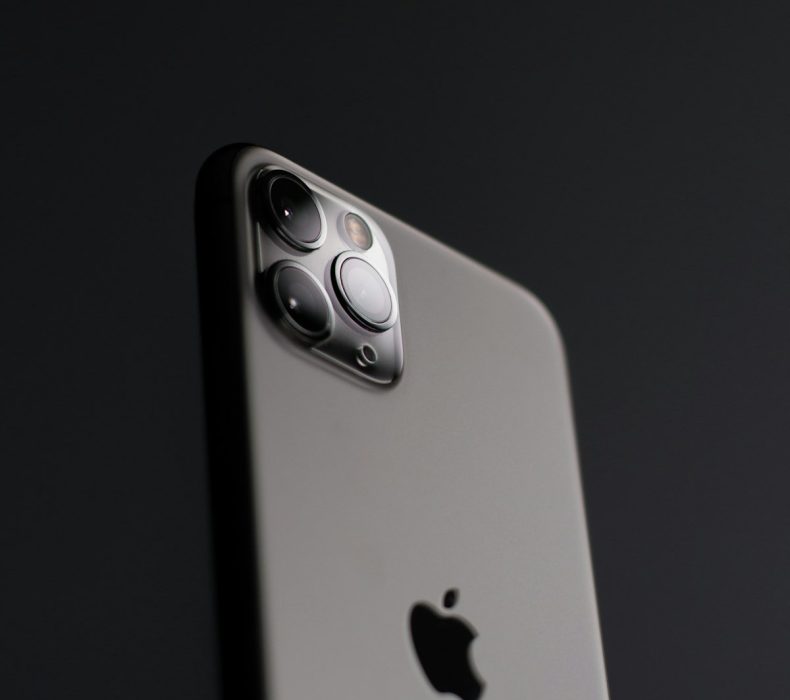
Apple went all in on aluminum this year, and both phones look stunning, but they feel different in the hand. The iPhone 17 measures 5.89 x 2.81 inches and keeps things relatively lightweight with a glass back and aluminum frame. The iPhone 17 Pro is slightly larger at 5.91 x 2.83 inches, but the bigger difference is the new unibody aluminum chassis that replaces the titanium frame from the iPhone 16 Pro. That camera bump on the Pro is impossible to miss, it stretches across the entire width of the back panel, giving the phone a distinctive horizontal bar look that you’ll either love or think looks like a tiny shelf. I actually dig it because it makes the phone sit more stable on flat surfaces. The standard iPhone 17 sticks with the more traditional camera island. Both phones come in similar color options, but the Pro gets exclusive darker finishes that look genuinely premium. If you use a case, and most people do, the design difference becomes mostly irrelevant.
Display: Finally on Equal Footing (Almost)
Here’s where Apple surprised everyone. The iPhone 17 finally gets the 120Hz ProMotion display that was locked behind the Pro paywall since the iPhone 13 Pro back in 2021. Both models rock a 6.3 inch Super Retina XDR OLED panel with a resolution of 2622 x 1206 pixels at 460 PPI. Peak brightness hits 3,000 nits on both, which means outdoor visibility is excellent regardless of which model you pick. The iPhone 17 also gets Always On Display, another feature that used to be Pro only. So what’s the Pro display advantage? Honestly, it’s minimal for most people. The Pro does support ProMotion with a wider dynamic range from 1Hz to 120Hz, which helps battery life by dropping the refresh rate lower when the screen is static. The standard model’s implementation is very similar though. Unless you’re pixel peeping with a magnifying glass, these two screens are functionally identical for watching YouTube, scrolling social media, or reading articles. This is the single biggest reason the iPhone 17 is such a great value, you’re getting a flagship quality display at $799.
Performance: A19 vs A19 Pro, Does It Actually Matter?
The iPhone 17 runs on Apple’s A19 chip with 8GB of RAM, while the Pro steps up to the A19 Pro with 12GB of RAM. Both chips are built on the same architecture with a six core CPU (two performance cores and four efficiency cores), but the GPU tells a different story: five cores on the A19 versus six cores on the A19 Pro. That extra GPU core plus the additional 4GB of RAM gives the Pro a measurable edge in sustained performance, especially for tasks like video editing in LumaFusion, running complex Apple Intelligence features, or gaming. The A19 Pro also benefits from a vapor chamber cooling system, a first for any iPhone, which means it can maintain peak performance longer without thermal throttling. In real world testing, the difference shows up when you’re exporting a 4K video or running multiple AI powered features simultaneously. For everyday stuff like texting, browsing Safari, using social media, and streaming Netflix, the A19 in the standard model is more than fast enough. You will never feel the base iPhone 17 is slow. The Pro’s advantage here is a “nice to have” for power users, not a “must have” for everyone.
Camera System: This Is Where the $300 Goes
If there’s one area that justifies the Pro premium, it’s the camera. The iPhone 17 packs a dual camera system, a 48MP main lens and a 48MP ultrawide, which is excellent by any standard. You get beautiful photos in good light, solid Night mode, and 2x optical zoom through sensor crop. Perfectly capable for 95% of what most people shoot. The iPhone 17 Pro, however, goes triple camera with all three lenses at 48MP: main, ultrawide, and a brand new telephoto with up to 8x optical quality zoom (plus 40x digital zoom). That telephoto is the headline feature. Shooting concerts from the back of a venue, capturing wildlife on a hike, or grabbing a tight shot of your kid’s soccer game from the sidelines, the 8x zoom is genuinely useful and produces sharp, detailed images. The Pro also records spatial video for Apple Vision Pro, supports ProRes and Log video recording for professional workflows, and the new 18MP Center Stage front camera handles group selfies much better than the standard model’s 12MP shooter. One trade off worth noting: the Pro actually dropped night portrait mode, which is weird. If you mostly take photos of food, landscapes, and group shots in decent lighting, the iPhone 17 camera is excellent. If zoom and professional video features matter to you, the Pro is the clear winner.
Battery Life: Closer Than You’d Think
Battery life used to be a major Pro advantage, but the iPhone 17 has closed the gap significantly. The standard model packs a 3,692 mAh battery that delivers up to 30 hours of video playback and 27 hours of streaming. The Pro bumps up to a 4,252 mAh cell with 33 hours of video playback and 30 hours of streaming. That’s roughly a 3 hour difference in Apple’s testing, noticeable but not dramatic. Both phones support fast charging at up to 50% in about 20 minutes with a 40W adapter, and both support MagSafe wireless charging. In my experience using both phones for a full day, checking email, scrolling social media, a few phone calls, some Spotify streaming, and about an hour of camera use, both easily made it to bedtime with 20-30% left. The Pro lasted a bit longer on heavy camera days thanks to the larger battery and more efficient chip, but for typical daily use, you won’t feel battery anxiety with either model. This is not a reason to spend the extra $300.
Storage and Pricing Breakdown
Here’s the full pricing picture, and it’s worth seeing it laid out clearly. The iPhone 17 comes in two storage tiers: 256GB for $799 and 512GB for $999. The iPhone 17 Pro offers three options: 256GB at $1,099, 512GB at $1,299, and a massive 1TB option at $1,499. At every comparable storage tier, the Pro costs exactly $300 more. That $300 delta stays consistent whether you’re buying the cheapest option or going big. If you need 1TB of local storage for a massive photo library or professional video work, the Pro is your only option since the standard model maxes out at 512GB. For most people, 256GB is genuinely plenty, Apple doubled the base storage from 128GB on the iPhone 16, and with iCloud, you’re unlikely to fill it up quickly. Spending $799 on the base iPhone 17 with 256GB gives you an obscene amount of phone for the money.
Do’s and Don’ts: iPhone 17 vs iPhone 17 Pro
Do’s
Don’ts
Do buy the standard iPhone 17 if you mostly use your phone for social media, calls, and casual photos
Don’t assume the Pro is automatically better for everyone, the base model covers 90% of use cases
Do get the Pro if you’re serious about mobile photography and need that 8x telephoto zoom
Don’t pay $300 extra just for the “Pro” badge if you never shoot zoomed photos or edit video
Do consider the 12GB RAM on the Pro if you run heavy Apple Intelligence features daily
Don’t overlook the standard model’s 120Hz display, it’s the same ProMotion tech as the Pro
Do factor in total cost with AppleCare+ when budgeting, the Pro’s repair costs are higher
Don’t buy the Pro for battery life alone, the difference is only about 3 hours
Do pick the Pro if you need ProRes video recording for professional content creation
Don’t ignore the iPhone 17’s camera, the 48MP dual system is excellent for everyday shooting
Do take advantage of the iPhone 17’s $799 starting price, it’s the best value in Apple’s lineup
Don’t spend $1,099 on the Pro just because you “might” use the zoom someday
Do test both models in an Apple Store before deciding, the weight and camera bump feel different
Don’t forget that both phones support the same MagSafe accessories and fast charging speeds
Do opt for the Pro’s 1TB storage if you record lots of 4K video and need local storage
Don’t assume you need 512GB, 256GB with iCloud is enough for most users
Do consider resale value, Pro models historically hold their value slightly better
Don’t upgrade from an iPhone 16 Pro to the standard iPhone 17 expecting a better camera
Do use a case on either model, the aluminum builds are beautiful but can scratch
Don’t skip the fast charger purchase, neither phone ships with one in the box
My Verdict: Which One Should You Actually Buy?
I’ll be blunt: for most people reading this, the iPhone 17 at $799 is the smarter buy. Apple basically gave you 80% of the Pro experience this year by adding the 120Hz ProMotion display, Always On screen, and a genuinely capable 48MP dual camera system. The A19 chip handles everything from Apple Intelligence to gaming without breaking a sweat, the 30 hour battery easily gets through a full day, and 256GB of base storage is generous. You save $300 that could go toward AirPods, an Apple Watch, or just stay in your pocket. The iPhone 17 Pro makes sense for a specific type of buyer: someone who takes a lot of zoomed photos, shoots professional quality video, needs 1TB of storage, or pushes their phone hard enough that 12GB of RAM and a vapor cooled chip make a tangible difference. Photographers, content creators, and hardcore power users will appreciate what the Pro offers. But if you’re honest with yourself about how you actually use your phone, and not how you wish you used it, the standard iPhone 17 is probably all you need.
Frequently Asked Questions
Is the iPhone 17 Pro camera really worth $300 more than the iPhone 17?
It depends entirely on whether you’ll use the 8x telephoto zoom regularly. The standard iPhone 17 has a fantastic 48MP dual camera that handles portraits, landscapes, night shots, and everyday photography beautifully. The Pro adds a third 48MP telephoto lens with 8x optical quality zoom and 40x digital zoom, plus ProRes and Log video recording for professional workflows. If you frequently shoot distant subjects, concerts, sports, wildlife, or you create video content professionally, the Pro camera is a genuine upgrade. For casual photography and social media posting, the iPhone 17’s camera is more than enough and you’d be better off saving the $300.
Does the iPhone 17 have the same 120Hz display as the Pro?
Yes, and this is a huge deal. For the first time ever, the base iPhone gets a 120Hz ProMotion OLED display. Both the iPhone 17 and iPhone 17 Pro share a 6.3 inch Super Retina XDR panel with 2622 x 1206 resolution, 460 PPI, 3,000 nits peak brightness, and Always On Display support. The scrolling and animation smoothness is essentially identical. The Pro’s display can drop to a slightly lower refresh rate in certain scenarios for battery savings, but in daily use, you won’t notice a difference between the two screens.
How much better is the A19 Pro chip compared to the standard A19?
Both chips share the same six core CPU architecture, so single threaded performance is very similar. The A19 Pro adds one extra GPU core (six vs five) and comes paired with 12GB of RAM instead of 8GB. The Pro also has a vapor chamber cooling system that lets it sustain peak performance longer under heavy loads. In practical terms, you’ll notice the difference when exporting long 4K videos, running intensive Apple Intelligence tasks, or playing graphically demanding games for extended sessions. For normal phone usage, browsing, social media, email, streaming, the standard A19 is blazing fast and the difference is imperceptible.
Which iPhone 17 model has better battery life?
The iPhone 17 Pro edges out the standard model by about 3 hours. The Pro packs a 4,252 mAh battery delivering 33 hours of video playback, while the iPhone 17 has a 3,692 mAh battery with 30 hours of playback. Both phones support fast charging to 50% in roughly 20 minutes with a 40W adapter and MagSafe wireless charging. In real world daily use, both models comfortably last a full day. The 3 hour difference typically only shows up during heavy usage days with lots of camera work or gaming. Battery life alone is not a compelling reason to choose the Pro over the standard model.
Should I upgrade from iPhone 16 Pro to iPhone 17 or iPhone 17 Pro?
If you’re coming from an iPhone 16 Pro, the standard iPhone 17 would actually be a downgrade in some ways, you’d lose the telephoto lens and go from the A18 Pro to the less powerful A19 (non Pro). The iPhone 17 Pro would be a meaningful upgrade though, with the new 8x telephoto zoom (up from 5x), the A19 Pro with vapor cooling, 12GB of RAM, and the redesigned aluminum chassis. If your iPhone 16 Pro still works well and you’re not itching for the new zoom capabilities, waiting for the iPhone 18 lineup is also a perfectly reasonable move. The 16 Pro to 17 Pro jump is nice but not essential.
What storage size should I get for the iPhone 17?
The 256GB base model is genuinely sufficient for the vast majority of buyers. Apple doubled the starting storage from the iPhone 16’s 128GB, which means you have room for thousands of photos, hundreds of apps, and plenty of downloaded music and podcasts. If you shoot a lot of 4K video and don’t regularly offload to iCloud or a computer, consider the 512GB option at $999. The iPhone 17 Pro’s 1TB tier ($1,499) is really only necessary for professional videographers shooting ProRes footage, which eats storage at a much faster rate than standard video formats.
Are there any features the iPhone 17 has that the Pro doesn’t?
Interestingly, yes, sort of. The iPhone 17 is lighter and slightly more compact, which some people prefer for one handed use and pocket comfort. The standard model also has a simpler, flatter camera bump that sits more flush against surfaces compared to the Pro’s wide horizontal bar. Beyond that, Apple gives the Pro all the premium features. One quirky note: the iPhone 17 Pro actually dropped support for night portrait mode, which the standard iPhone 17 still supports through its computational photography pipeline. It’s a minor thing, but worth knowing if you take a lot of portraits in low light.
Can the iPhone 17 record ProRes video like the Pro?
No. ProRes and Log video recording are exclusive to the iPhone 17 Pro and Pro Max. The standard iPhone 17 records excellent 4K video at up to 60fps with Dolby Vision HDR, which is more than enough for personal videos, social media content, and even semi professional work. ProRes is a format used primarily by professional filmmakers and video editors who need maximum flexibility in post production color grading. Unless you’re editing footage in Final Cut Pro or DaVinci Resolve with specific color workflow requirements, you won’t miss ProRes on the standard model.
We use cookies to see which reviews and buying guides readers find useful, so we can keep improving them. Accept analytics cookies, or carry on with essential ones only. See our Cookie Policy.
















 Get it on
  Download on the