Two All in One Machines, One Very Different Laundry Experience
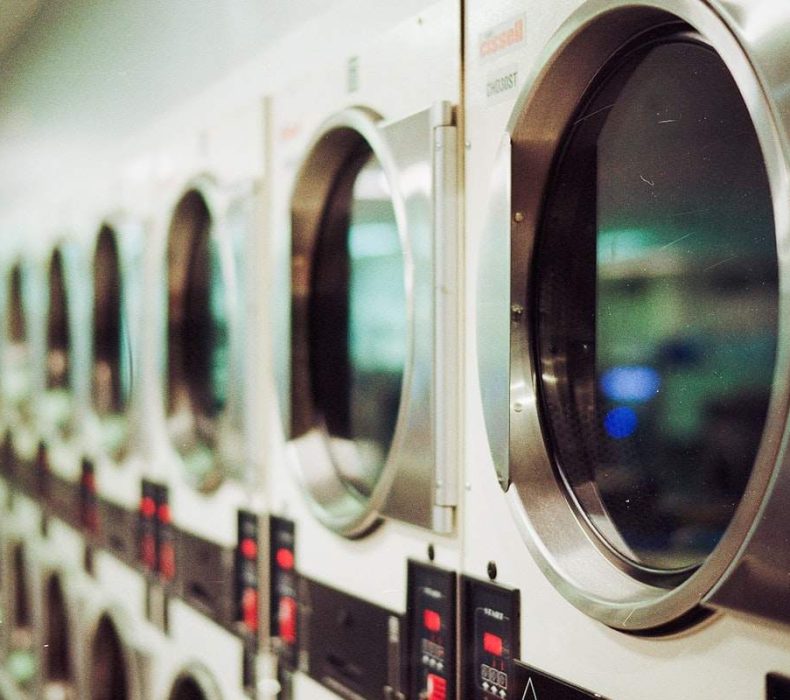
If you’ve been shopping for a combo washer dryer in 2026, you’ve already noticed the same two names keep showing up: the Samsung Bespoke AI Laundry Combo and the LG WashCombo. Both promise to wash and dry your clothes in a single drum, both run on ventless heat pump technology, and both cost around two grand. So why does it feel so hard to pick one?
I spent three weeks digging through spec sheets, owner forums, Best Buy Q&A threads, and real user complaints to figure out where these machines actually differ. The short version: Samsung built the flashier, faster machine with a bigger drum and a gorgeous touchscreen, while LG built the more practical, easier to install unit that plugs into a standard outlet and has a longer track record of reliability. The long version is everything below, and it matters a lot depending on your living situation, your laundry habits, and how patient you are with drying cycles.
Specs Compared: Samsung Bespoke AI vs LG WashCombo
Let’s start with the numbers, because they tell a surprisingly clear story. The Samsung Bespoke AI Laundry Combo (model WD53DBA900HZ) packs a 5.3 cubic foot drum, which is the largest you’ll find in any all in one combo right now. The LG WashCombo (model WM6998HBA) comes in at 5.0 cubic feet. That 0.3 cu ft gap sounds small, but it translates to roughly two extra bath towels per load, which adds up over a week of laundry for a family of four. Samsung also runs quieter at 53 dB during wash cycles, roughly the volume of a normal conversation.
Where LG fights back is installation flexibility. The WM6998HBA runs on a standard 120V outlet, which means you can stick it in a hallway closet, a bathroom, or a kitchen corner without calling an electrician. The Samsung requires a 240V connection, same as a traditional dryer. If you’re in an apartment or condo without a dedicated 240V laundry hookup, that single spec might make the decision for you. Both machines are ENERGY STAR certified, both use ventless heat pump drying (no external vent needed), and both connect to their respective smart home apps: Samsung SmartThings and LG ThinQ.
Price Breakdown: What You’ll Actually Pay
Samsung lists the Bespoke AI Combo at $2,199 MSRP. LG lists the WashCombo at a higher $2,999 MSRP but seems to keep it perpetually discounted. As of mid 2026, you’ll find the LG at most retailers for around $1,929 to $1,999. Costco has run the Samsung as low as $1,299 during seasonal promotions with $900 in bundled savings, and Best Buy regularly stocks both with installation deals thrown in. Realistically, expect to spend somewhere between $1,800 and $2,200 on either machine after discounts, depending on when you buy and where.
One pricing note worth knowing: Samsung offers the Bespoke AI Combo in five color finishes (Dark Steel, Brushed Black, Brushed Navy, and more), and certain colors or capacity variants can push the price up to $2,400+. LG keeps it simpler with Black Steel and Graphite Steel options at the same price point. If you care about matching your laundry area to your kitchen aesthetic, Samsung gives you more flexibility, but you’ll pay for it.
The AI Features: Genuinely Useful or Marketing Fluff?
Samsung’s AI OptiWash & Dry system uses multiple sensors to detect load weight, fabric type (it can identify five categories including outdoor gear and denim), and soil level in real time. It then adjusts water volume, detergent dosing, wash intensity, and drying temperature automatically. The 7 inch LCD touchscreen on the front lets you monitor cycle progress and tweak settings, and AI Energy mode claims to cut energy use by up to 30%. Having tested plenty of “smart” appliances that are smart in name only, the Samsung’s sensor suite is actually one of the better implementations out there. It genuinely uses less detergent and water on lighter loads.
LG’s approach is similar but less aggressive on the marketing. The WM6998HBA has an AI Fabric Sensor and AI DD (Direct Drive) motor that recognizes fabric softness and adjusts drum motion accordingly. The ezDispense automatic detergent system holds enough for 18 to 31 wash cycles, so you fill the reservoir once a month and forget about it. LG’s ThinQ app lets you start, stop, and monitor cycles remotely, download specialty cycles, and get maintenance alerts. It’s less showy than Samsung’s touchscreen, but functionally it does what you need. Neither machine’s AI is going to fold your laundry, but both genuinely optimize water and energy per load, which adds up on your utility bill over a year.
Drying Performance: Here’s Where It Gets Honest
This is the section most comparison articles gloss over, and it’s the one that matters most. Both machines use ventless heat pump drying, which is inherently slower than a traditional vented dryer. Samsung advertises a full wash and dry cycle in 98 minutes using Super Speed mode. That’s with a small load, maybe 8 to 10 pounds. The 2026 Bespoke AI Combo has an upgraded booster heat exchanger that Samsung says can finish a complete wash to dry in as fast as 69 minutes for light loads. That’s genuinely impressive for a ventless combo.
LG advertises a 2 hour wash and dry cycle, also optimized for a roughly 10 pound load. Here’s where reality hits: user forums on Best Buy and Houzz are full of LG WashCombo owners reporting that a full load of towels takes 4 to 7 hours to fully dry. Some owners say they run a second drying cycle because clothes come out damp. This isn’t a defect, it’s a physics limitation of the ventless heat pump approach combined with a full 5.0 cu ft drum of heavy fabric. Samsung owners report similar frustrations with large loads, but the faster heat exchanger and larger drum give it a slight edge on throughput. If you regularly wash heavy comforters or large towel loads, neither machine is going to match a standalone vented dryer. Plan accordingly, or run smaller loads.
Build Quality, Reliability, and Long Term Ownership
LG has a longer track record in the combo washer dryer space. The WM6998HBA launched in late 2023 and has been through several production runs, which means early bugs have largely been worked out. LG’s inverter Direct Drive motor carries a 10 year warranty, and the compressor on the heat pump has a separate 10 year warranty as well. Independent repair data from Yale Appliance and other service focused retailers consistently ranks LG ahead of Samsung in laundry appliance reliability.
Samsung’s Bespoke AI Combo is a newer product line, with the current generation hitting stores in late 2024 and the 2026 refresh arriving in Q1 2026. It carries Samsung’s standard 1 year parts and labor warranty plus 3 years on the stainless steel tub and 10 years on the Direct Drive motor. Early adopter reports are generally positive, but the machine hasn’t been in market long enough to have meaningful long term reliability data. Samsung’s customer service reputation in appliances is middling compared to LG, and finding third party repair techs who stock Samsung combo parts can be harder depending on where you live. If warranty coverage and proven longevity matter to you, LG has the edge today.
Do’s and Don’ts: Samsung Bespoke AI vs LG WashCombo
Do’s
Don’ts
Do pick Samsung if you have a 240V outlet and want the fastest cycle times
Don’t buy the Samsung if your only option is a 120V outlet
Do pick LG if you need a standard plug install in a closet or apartment
Don’t expect either machine to dry a full load of towels in under 3 hours
Do use the AI detergent dispensers on both machines to avoid overdosing soap
Don’t overfill the drum past 75% capacity if you want clothes to actually dry
Do check Costco and Best Buy for seasonal bundles that drop prices $500-900
Don’t pay full MSRP, both machines are almost always on sale somewhere
Do run the self clean cycle monthly on either machine to prevent mildew
Don’t skip cleaning the lint filter on the LG WashCombo after every load
Do leave the door cracked open between loads to air out the drum
Don’t close the Samsung’s door immediately after a wash only cycle, use Auto Open Door+
Do download specialty cycles from the LG ThinQ or Samsung SmartThings apps
Don’t assume the advertised cycle times apply to full loads of heavy fabric
Do measure your laundry space and confirm door clearance before ordering
Don’t ignore the 240V vs 120V difference, it can cost $500+ in electrical work
Do register your machine for the extended motor warranty on both brands
Don’t wash sneakers or heavy items without a mesh bag in either combo unit
Do compare the Samsung color options to your existing cabinetry before buying
Don’t buy the Samsung purely for aesthetics if LG fits your space and budget better
The Verdict: Which One Should You Actually Buy?
If you have a dedicated laundry room with a 240V outlet, want the biggest drum capacity available, and care about speed and aesthetics, the Samsung Bespoke AI Laundry Combo is the better pick. The 5.3 cu ft drum, 69 minute Super Speed wash and dry, touchscreen interface, and five color options make it the more premium product. It’s the machine for the person who wants their laundry setup to feel like a Tesla, not a Toyota.
If you live in an apartment or condo, need the simplest possible installation, value long term reliability data, and don’t mind slightly longer drying times, the LG WashCombo is the smarter buy. The 120V plug anywhere design, 10 year motor and compressor warranties, and LG’s stronger service reputation make it the safer long term investment. The LG is the Toyota Camry of combo washers: it won’t turn heads, but it’ll run for years without drama. For most people buying their first all in one smart washing machine in 2026, that reliability edge puts LG slightly ahead.
Frequently Asked Questions
Can the Samsung Bespoke AI Combo run on a regular 120V household outlet?
No. The Samsung Bespoke AI Laundry Combo requires a 240V electrical connection, same as a traditional standalone electric dryer. If your laundry space only has a standard 120V outlet, you’ll need an electrician to install a 240V circuit, which typically costs between $300 and $600 depending on your home’s wiring. This is one of the biggest practical differences between the two machines, and it’s the main reason the LG WashCombo wins for apartment and condo dwellers who don’t want to deal with electrical upgrades.
How long does a full load actually take to wash and dry in each machine?
Samsung advertises 69 to 98 minutes for a wash and dry cycle, but that’s with a light, roughly 10 pound load. A full 5.3 cu ft drum of mixed clothing realistically takes 2.5 to 3 hours. The LG advertises 2 hours for a similar light load, and a fully loaded drum takes 3 to 4+ hours. Towels and heavy bedding can push either machine past 5 hours. The general rule: keep loads to about 75% capacity or smaller, and drying times stay reasonable.
Which machine is better for a family of four?
The Samsung Bespoke AI Combo edges ahead for larger families thanks to its 5.3 cu ft capacity (versus LG’s 5.0 cu ft) and faster cycle times. That extra 0.3 cu ft means you can fit a couple more towels or an extra set of jeans per load, which reduces total weekly loads. If your household generates heavy laundry volume and you have the 240V outlet, the Samsung saves you more time per week. If you don’t have the outlet and can’t easily add one, the LG handles family sized loads perfectly well, just a bit slower.
Are the smart features actually worth using, or should I just press start?
Genuinely worth using on both machines. The AI detergent dispensing alone saves you money and prevents the soap residue buildup that causes musty smelling drums over time. Samsung’s AI OptiWash adjusts water and cycle intensity based on soil level, which means lighter loads use less water and energy automatically. LG’s AI DD adjusts drum motion for delicate versus heavy fabrics, reducing wear on your clothes. You don’t have to touch any settings to benefit from these features, they just run in the background. The smart home app integration (remote start, cycle monitoring, maintenance reminders) is convenient but not essential.
How reliable are combo washer dryers compared to separate machines?
Combo units have historically been less reliable than standalone pairs because you’re putting two mechanical systems into one chassis, and if one breaks, both are out of commission. That said, the current generation from both Samsung and LG is significantly better than combos from even five years ago. LG’s 10 year motor and compressor warranties signal genuine confidence in their hardware. Samsung’s warranty is slightly shorter but still covers the motor for a decade. The biggest reliability risk is user error: overloading the drum, skipping lint filter cleaning, or not running monthly self clean cycles. Treat the machine properly and either should last 8 to 12 years without major issues.
Is the Samsung Bespoke AI Combo worth the price premium over the LG?
At full MSRP, the Samsung ($2,199) is actually cheaper than the LG ($2,999). But LG’s street price is almost always discounted to around $1,929 to $1,999, putting them in the same range. The Samsung’s premium comes from color customization, the touchscreen display, and faster drying technology. If you’re comparing sale prices, they’re close enough that the decision should be about your installation situation (120V vs 240V), drum size needs, and whether you value Samsung’s speed or LG’s reliability track record more.
Can I stack either machine with a separate dryer?
Both machines are all in one units with built in drying, so there’s no need to stack a separate dryer. However, if you wanted to pair a standalone Samsung Bespoke front load washer (not the combo) with a separate Samsung dryer, Samsung sells stacking kits for those configurations. LG also sells separate front load washers and dryers in their Bespoke equivalent lineup that stack. But if you’re buying the combo version of either, stacking is irrelevant since wash and dry happen in the same drum.
Do either of these machines work with hard water?
Both machines handle moderately hard water without issues. Samsung’s AI OptiWash can adjust detergent amounts, which helps in hard water areas since you typically need more detergent to get a proper clean. LG’s ezDispense does the same. For very hard water (over 10 grains per gallon), you’ll want to run the self clean cycle more frequently, maybe every 20 loads instead of every 40, and consider using a washing machine cleaning tablet monthly. Neither brand specifically markets a hard water mode, but the automatic dispensing systems adapt reasonably well.
We use cookies to see which reviews and buying guides readers find useful, so we can keep improving them. Accept analytics cookies, or carry on with essential ones only. See our Cookie Policy.












 Get it on
  Download on the