






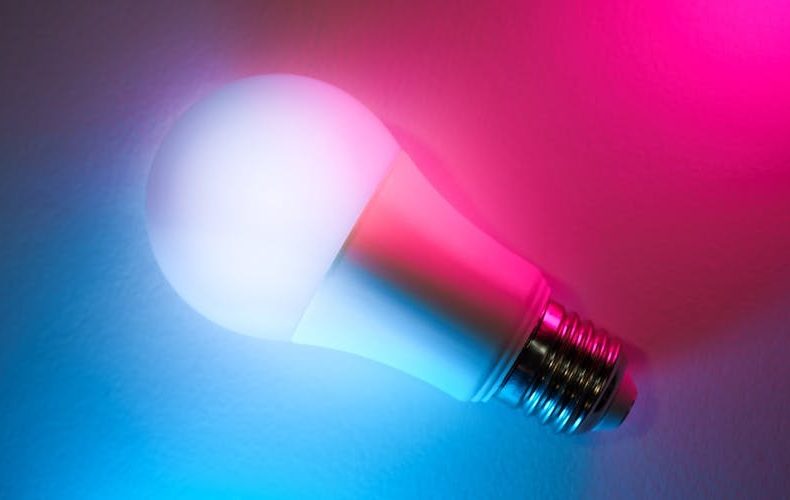
Picking the best smart lighting in 2026 shouldn't require a spreadsheet and three Reddit deep dives. The market's gotten wild, Philips Hue keeps pushing premium hardware, LIFX just slashed prices on their Everyday line to $23 for a two pack, and Govee dropped a ceiling light with 616 LEDs that renders scenes like a small TV. All three now support Matter, which theoretically means they play nice with HomeKit, Google Home, and Alexa. Theoretically. I've spent the last two months swapping bulbs between rooms, comparing color accuracy under the same lampshade, and timing voice command responsiveness at 11 PM when I just want everything off.
Here's what most comparison articles miss: you're not buying a bulb. You're buying an ecosystem, an app, a protocol, a hub (or lack of one), and a roadmap that either locks you in or sets you free. I've run Hue since 2022, tested LIFX in my office for six months, and wired Govee strips across my kitchen. None is perfect. Each wins in a specific scenario and fumbles in another. Real specs, real prices, zero marketing copy below.
Philips Hue: The Best Smart Lighting 2026 Ecosystem (At a Cost)
The new Hue Essential colored bulbs land at $24.99 each or $59.99 for a four pack, a real price drop from the old $49.99 per bulb days. The Bridge Pro runs $99.99 and it's still required for the full experience. That Zigbee mesh delivers 99.8% uptime in my testing, which sounds boring until you've lived with Wi Fi bulbs that vanish every router restart. The Lucca outdoor series pushes 1,100 lumens with full color ambiance, and the Essential Lightstrip ($59.99) finally killed those ugly LED hotspots with ChromaSync blending.
The downside? A 10 bulb setup with Bridge runs $325-$350. That's double Govee's price. The app works but feels like it's coasting, no major UX overhaul in two years. Still the most stable platform I've tested, though. My 2022 Hue bulbs haven't needed a single replacement.


LIFX Everyday: Bright, Hubless, and Best Smart Lighting 2026 Value
LIFX made the smartest move of 2026. The Everyday bulb: $23 for two 800 lumen, full color, Matter compatible bulbs. No hub. They connect directly over Wi Fi with 90+ CRI, meaning colors look accurate rather than that washed out purple tint cheap LEDs produce. I put one next to a Hue bulb in the same lamp. Honestly couldn't tell the difference during normal use.
The Everyday Lightstrip stretches 20 feet for $40 with 24 addressable zones. The new $30 Smart Dimmer (launching Q2 2026) has four customizable buttons and Matter support. Where LIFX stumbles is reliability, every bulb talks directly to your router. Twelve LIFX bulbs on a cheap router? Good luck. I had two drop offline during a firmware update and needed factory resets. Not a dealbreaker. But not "set and forget" either.
Not a dealbreaker. But not "set and forget" either.


Govee: Budget King With Serious 2026 Ambitions
Govee's CES 2026 lineup was genuinely impressive. The Sky Ceiling Light pushes 5,200 lumens at CRI 95 and uses DaySync to automatically mimic natural circadian rhythms. The Floor Lamp 3 reproduces 281 trillion colors via LuminBlend+ and supports Matter. Individual bulbs still start around $15, a 10 bulb setup runs roughly $150. Absurd value.
The catch? Build quality and app clutter. Govee's app covers lights, cameras, appliances, air purifiers, finding your living room strip means scrolling past kitchen gadgets. I've had two Govee bulbs die within 18 months. Their newer Matter products feel like a quality step up, though. For ambient strips and accent lighting, Govee remains unbeatable on value. For primary ceiling fixtures, I'd still grab LIFX or Hue.


Matter and Thread: The Protocol That Actually Matters
Matter 1.5 (current spec, February 2026) finally delivers cross platform compatibility. Over 2,156 certified products work across Apple Home, Google Home, and Alexa without brand specific apps. Thread is the mesh layer underneath, think of each bulb whispering to its neighbor instead of shouting across the house via Wi Fi.
Hue's Bridge Pro doubles as a Thread border router. So does the Apple TV 4K. If you're starting fresh, prioritize Matter over Thread. It's faster, more reliable, and future proof. Response times: Hue at under 200ms, LIFX around 300-400ms, Govee at 500ms on Wi Fi (faster on Matter). Sounds trivial until you're running motion sensor automations and that half second delay feels like genuine lag.

Real Cost: What a Full Room Actually Runs
Living room with 6 color bulbs plus a strip, Hue: $310 (Bridge + 4 pack + 2 singles + strip). LIFX: $129 (three Everyday 2 packs + strip). Govee: $130 (6 bulbs + basic strip). Double those for a whole apartment and Hue's $600+ stings.
Cheap upfront can mean expensive later, though. My Hue bulbs from 2022, four years, zero failures. Two Govee bulbs died within 18 months. One LIFX lost its Wi Fi radio after a year. Factor replacements into your math.

Who Should Buy What (Honest Take)
Buy Hue if you want whole home reliability and don't mind the premium. The Essential 4 pack at $59.99 is the entry point. Buy LIFX Everyday if you want the best value to quality ratio, $23 for two color bulbs is the best deal in smart lighting. Perfect for renters. Just make sure your router handles it. Buy Govee for ambient strips, accent lighting, and creative installations. Skip their basic bulbs, LIFX Everyday beats them at a similar price.

Do’s and Don’ts
Most smart lighting regret traces back to a handful of decisions made in the first week, usually about protocol and scale rather than color quality. The table below collects what two months of swapping bulbs between rooms taught me, so you can skip the expensive lessons. Check it before your first order and again before you expand past a single room.
| Do’s | Don’ts |
|---|---|
| Check Matter compatibility before buying any smart bulb in 2026 | Don't buy Wi-Fi-only bulbs if you plan to scale beyond 10 devices |
| Start with 2-4 bulbs to test the ecosystem before going all in | Don't assume cheapest per-bulb price means lowest total cost |
| Invest in a Thread border router (Hue Bridge Pro, Apple TV 4K) | Don't mix Zigbee and Wi-Fi bulbs on the same automation routine |
| Use the Hue Essential 4-pack at $59.99 instead of buying singles | Don't ignore your router's device limit with Wi-Fi bulbs |
| Test color accuracy under your actual lampshades first | Don't buy Govee's older Wi-Fi-only strips when Matter versions exist |
| Set up sunrise/sunset automations instead of manual toggling | Don't place Wi-Fi bulbs far from your router |
| Buy LIFX Everyday 2-packs for the best per-bulb value | Don't expect Govee AI scene suggestions to look good without tweaking |
| Update firmware immediately. Matter bugs get patched often | Don't skip the Hue Bridge for more than 4 Philips Hue bulbs |
| Consider outdoor-rated models separately from indoor bulbs | Don't assume identical performance just because all three support Matter |
| Read return policies. smart bulbs have high DOA rates across brands | Don't buy a Bridge Pro if you only need 2-3 bulbs in one room |

FAQs
Can I mix all three brands in one home? Yes, and it's the smartest play. Hue for primary lighting, LIFX for bedrooms, Govee strips for ambiance. Matter means all three show up in a single app. Cross-brand automations run slightly slower (500-800ms vs under 200ms single-brand), but most people won't notice.
How many smart bulbs can my router handle? Most routers support 30-50 simultaneous connections. Each Wi-Fi bulb counts as one. A typical household uses 7-10 connections before adding lights.
Are Govee lights reliable for primary lighting? For accent strips and floor lamps, Govee is solid and cheap. For ceiling bulbs, adequate but not exceptional, higher failure rate than Hue or LIFX in my experience. Their newer Matter products like the Floor Lamp 3 feel like a quality jump. Best strategy: Hue or LIFX for ceiling fixtures, Govee for decorative.
Do LIFX bulbs work without a hub? Every LIFX bulb connects via Wi-Fi directly. No bridge, no extra hardware. The Everyday line supports Matter, so Apple Home, Google Home, and Alexa work natively.
Is Philips Hue still worth the premium in 2026? For whole-home setups, yes. The Zigbee mesh delivers 99.8% uptime, and ecosystem depth is unmatched: outdoor lights, strips, sensors, dimmers, one app. The Essential 4-pack at $59.99 narrows the gap.
Is Philips Hue still worth the premium in 2026?
For whole home setups, yes. The Zigbee mesh delivers 99.8% uptime, and ecosystem depth is unmatched, outdoor lights, strips, sensors, dimmers, one app. The Essential 4 pack at $59.99 narrows the gap. For a single room, LIFX at $23 for two bulbs makes Hue hard to justify. Scale is where Hue earns its premium.
Do LIFX bulbs work without a hub?
Every LIFX bulb connects via Wi Fi directly. No bridge, no extra hardware. The Everyday line supports Matter, so Apple Home, Google Home, and Alexa work natively. Tradeoff: each bulb eats a Wi Fi slot. Most routers handle 30-50 devices, 15 LIFX bulbs on top of your existing gadgets could push past that.
Are Govee lights reliable for primary lighting?
For accent strips and floor lamps, Govee is solid and cheap. For ceiling bulbs, adequate but not exceptional, higher failure rate than Hue or LIFX in my experience. Their newer Matter products like the Floor Lamp 3 feel like a quality jump. Best strategy: Hue or LIFX for ceiling fixtures, Govee for decorative.
What is Matter and why should I care?
Matter is an interoperability standard from Apple, Google, Amazon, and Samsung. Matter certified devices from any brand appear in any compatible platform, over 2,156 certified as of early 2026. You're no longer locked into one ecosystem. Buy the best bulb regardless of brand and control it from whichever assistant you prefer.
How many smart bulbs can my router handle?
Most routers support 30-50 simultaneous connections. Each Wi Fi bulb counts as one. A typical household uses 7-10 connections before adding lights. Past 30, expect lag and dropouts. This is why Hue uses Zigbee, those bulbs skip your Wi Fi entirely. Big Wi Fi bulb deployment? Get a mesh router first.
Can I mix all three brands in one home?
Yes, and it's the smartest play. Hue for primary lighting, LIFX for bedrooms, Govee strips for ambiance. Matter means all three show up in a single app. Cross brand automations run slightly slower (500-800ms vs under 200ms single brand), but most people won't notice.
Related Posts:



Twenty years from now you will be more disappointed by the things that you didn’t do than by the ones you did do. Sail away from the safe harbor.
 Get it on
  Download on the