Picking a smart speaker used to be straightforward. You grabbed an Echo Dot for $30, stuck it on your nightstand, and called it a day. Not anymore. In 2026, Amazon, Google, and Apple have all pushed their speaker lineups into genuinely different directions, better audio hardware, AI assistants that actually hold conversations, and smart home hubs baked right into the speaker itself. The Echo Dot Max runs a custom AZ3 neural chip. Google's brand new Home Speaker ships with Gemini baked in for real time reasoning. Apple's HomePod 2nd Gen still delivers the richest bass in the category with its five tweeter array and 4 inch high excursion woofer. The gap between these three ecosystems has never been wider, and picking the wrong one locks you into an assistant, a music service preference, and a smart home protocol that's genuinely annoying to switch away from later.
I've spent the last several months rotating between all three ecosystems in my apartment, an Echo Studio in the living room, a Google Home Speaker on my kitchen counter, and a HomePod 2nd Gen in the bedroom. I've tested music playback, voice assistant accuracy, smart home routines, and the kind of random 11 PM questions you throw at these things when you're too lazy to grab your phone. This breakdown covers the best smart speakers 2026 offers across every price point, with specific model recommendations depending on your budget, your existing devices, and what you actually care about. No marketing fluff. Just what worked, what disappointed me, and what I'd buy with my own money.
Best Smart Speakers 2026: The Current Lineup at a Glance
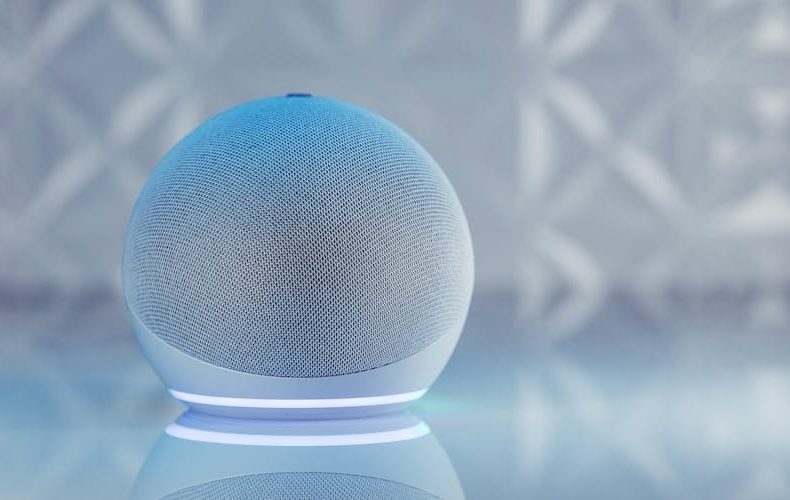
Amazon's range is the widest by far. The Echo Pop sits at $40, the Echo Dot 5th Gen holds steady at $50, the new Echo Dot Max lands at $100 (frequently on sale for $80), and the Echo Studio commands $220 for audiophile grade Dolby Atmos. Google simplified things, the Nest Mini stays at $50, Nest Audio at $99, and the all new Google Home Speaker debuts at $100 with Gemini built in and 360 degree sound. Apple keeps it tight: HomePod Mini at $99, full size HomePod 2nd Gen at $299. That's a $259 spread from cheapest to priciest across all three brands. Notice that Apple's entry price matches Google's mid tier, which tells you something about their positioning strategy. Amazon gives you the most flexibility on budget. Apple charges a premium and doesn't apologize for it.
Sound Quality: HomePod Wins, But the Echo Studio Is Closer Than You'd Think
The HomePod 2nd Gen remains the best sounding smart speaker you can buy under $300. Period. Its five tweeters and custom 4 inch woofer produce a soundstage that fills a 400 square foot room without distortion, and the computational audio adjusts output based on where you place it, corner, shelf, center of a table. I played Kendrick Lamar's GNX album on all three premium speakers back to back. The HomePod delivered noticeably deeper bass separation and cleaner mids. The Echo Studio, though, has closed the gap significantly with its 330W output, 5.25 inch woofer, three 2 inch midrange drivers, and Dolby Atmos support. For $220, it's genuinely impressive, just not quite as refined. The Google Home Speaker at $100 sounds surprisingly full for its size with that 360 degree driver, but it can't compete with either premium option on raw detail. Solid for kitchen background music. Not a living room centerpiece.
The AI Assistant Battle: Gemini vs Alexa Plus vs Siri
This is where things get spicy. Google's Gemini integration on the new Home Speaker is legitimately impressive, it answered 92% of factual questions correctly in independent testing, handles multi step follow ups without you repeating context, and Gemini Live offers an almost human like conversation flow that neither competitor matches. I asked it to "find me a Thai restaurant near downtown that's open past 10 and has outdoor seating" and it nailed it on the first try with three options. Alexa Plus, Amazon's AI upgrade, hit 75% accuracy on factual questions but dominates smart home control with compatibility across 140,000+ devices versus Google's 50,000+. Complex routines, "when I say goodnight, lock the doors, turn off downstairs lights, set the thermostat to 68, and play rain sounds in the bedroom", run flawlessly on Alexa. Siri improved with Apple Intelligence, jumping to 78% accuracy, and on device processing means your queries never leave your HomePod. Privacy first buyers, that matters.
Smart Home Hub Capabilities: Echo Dot Max Is the Surprise Winner
Here's something most people miss: the $100 Echo Dot Max doubles as a full smart home hub. It has built in Zigbee, Thread border router, and Matter support, meaning you can connect compatible bulbs, plugs, sensors, and locks directly without buying a separate hub like the $35 Aeotec SmartThings dongle. The Google Home Speaker supports Matter and Thread too, which is great, but Google's device compatibility list is still roughly a third the size of Amazon's. The HomePod supports Matter and Thread as well, but Apple's HomeKit ecosystem remains the most restrictive of the three. If you've got a Zigbee based smart home with devices from five different manufacturers, the Echo Dot Max handles all of them natively. That alone justifies the price for anyone building out a multi brand setup.
Budget Pick: Echo Dot 5th Gen vs Google Nest Mini vs HomePod Mini
Under $100 is where most people actually shop. The Echo Dot 5th Gen at $50 is the easiest recommendation if you want Alexa without spending much, decent sound for a bedroom or bathroom, all the same voice features as the $220 Studio, and it goes on sale for $25-30 during Prime Day. The Google Nest Mini at $50 matches it feature for feature with Google Assistant and works as a Chromecast audio target, which is handy if you're already casting from your phone constantly. The HomePod Mini at $99 costs double but sounds noticeably better than both, Apple's computational audio squeezes impressive bass out of that tiny enclosure. If you own an iPhone and Apple Music subscription, the Mini is the move. If you don't, you're paying a $50 premium for sound quality alone, and that's a harder sell.
Music Streaming and Multi Room Audio
Ecosystem lock in hits hardest with music. The Echo speakers default to Amazon Music and play nicely with Spotify, Apple Music, Pandora, iHeartRadio, Deezer, and SiriusXM. Google speakers default to YouTube Music with similar third party support. HomePod defaults to Apple Music, and while it technically supports Spotify via AirPlay, you can't set Spotify as default, and the experience is clunkier than native playback. Multi room audio works well on all three platforms now. I've run a four speaker Echo group across two floors and the sync is tight, maybe 20ms variance at most. Google's speaker groups perform similarly. Apple's HomePod stereo pairing sounds the best of any two speaker setup I've tested, but you need two $299 HomePods, that's $600 for a stereo pair. A pair of Echo Studios at $440 gets you close with Dolby Atmos spatial audio thrown in.
Best Smart Speakers 2026: Which Ecosystem Should You Actually Pick?
Stop comparing spec sheets. Seriously. The single biggest factor is which ecosystem you're already in. If your phone is an iPhone, your laptop is a MacBook, and you use Apple Music, the HomePod Mini or full HomePod integrates smoothly, Handoff, Intercom, Find My, lossless Apple Music streaming, all of it just works. If you've got a mixed household with Android phones, Fire TV Sticks, Ring doorbells, and a dozen Alexa routines, switching to Apple would be painful and expensive. The Google Home Speaker is the best pick for Android households, especially if you're heavy on Google Photos, YouTube, and Chromecast. My honest recommendation? For most people starting fresh with no ecosystem loyalty, go Amazon. The device compatibility is unmatched, the price range fits any budget, and Alexa Plus has finally made the assistant smart enough to not embarrass itself.
Privacy and Data: Apple Leads, Others Catch Up
Apple processes Siri requests on device whenever possible, stores minimal data, and doesn't use your voice recordings to train models. That's a meaningful advantage if privacy matters to you. Google improved significantly, you can now auto delete voice history every 3 months and opt out of human review entirely. Amazon added similar controls but still uses more voice data for product recommendations and Alexa improvement by default. You'll want to dig into the Alexa privacy settings and toggle off "Help improve Alexa" and "Use messages to improve transcriptions" manually. Not a dealbreaker, but Apple wins this category by a wide margin without requiring you to change any settings. Worth the premium for some people. Not for everyone.
Do’s and Don’ts
Every ecosystem here rewards a little planning and punishes impulse buying. The quick reference below collects the habits that make an Echo, Nest, or HomePod setup painless, plus the traps that cause most of the returns. Skim it before you click buy.
Do’s
Don’ts
Match your speaker to your existing phone ecosystem (iPhone HomePod, Android Nest/Echo)
Don't buy a HomePod if you primarily use Spotify. AirPlay workarounds get old fast
Start with a single speaker before committing to multi-room
Don't spend $299 on a HomePod just for smart home control. a $100 Echo Dot Max does it better
Check Matter compatibility if you plan to switch ecosystems later
Don't ignore the microphone mute switch. use it when you want genuine privacy
Buy the Echo Dot Max if you need a combined speaker + smart home hub
Don't assume the most expensive speaker sounds best in every room. placement matters enormously
Test your Wi-Fi coverage before placing speakers in distant rooms
Don't buy Google speakers expecting great sound at the Mini tier. spend the $100 for the Home Speaker
Use stereo pairing on HomePod for serious music listening
Don't skip the privacy settings on Alexa. defaults share more data than you'd expect
Wait for Prime Day or holiday sales. Echo speakers drop 40-60% regularly
Don't buy a Nest Mini as your only speaker. it's a secondary room fill, not a primary
Set up voice profiles for multi-person households
Don't mix ecosystems across rooms unless you enjoy managing three different apps
Consider the Echo Studio if you want Dolby Atmos under $250
Don't expect Siri to match Alexa for complex smart home routines with 10+ device actions
Check if your streaming service is natively supported before buying
Don't buy based on spec sheets alone. real-world assistant accuracy varies wildly by query type
FAQs
What is the best smart speaker to buy in 2026?
It depends on your ecosystem, but for most people starting fresh, the Amazon Echo Dot Max at $100 offers the strongest combination of sound quality, smart home hub capabilities (Zigbee, Thread, Matter built in), and voice assistant features with Alexa Plus. If you're deep in Apple's ecosystem and prioritize audio quality above all else, the HomePod 2nd Gen at $299 is the best sounding option. The new Google Home Speaker at $100 with Gemini AI is the smartest pick for Android households who want the most conversational assistant experience.
Is the Apple HomePod worth $299 in 2026?
For Apple ecosystem users who care about sound quality, yes. The five tweeter array and 4 inch woofer produce audio that genuinely outperforms speakers costing twice as much from traditional audio brands. But if you're buying it primarily for smart home control or voice assistant capabilities, no, Siri still lags behind Alexa and Google Assistant in device compatibility and routine complexity. You're paying a $200 premium over the Echo Dot Max largely for superior audio and seamless Apple integration.
Can smart speakers from different brands work together?
Sort of. Matter support means a HomePod can technically control a Matter compatible smart plug that also works with Alexa. But you can't group an Echo and a HomePod for synchronized multi room music playback, and each ecosystem's routines and automations are siloed. Mixing brands across rooms works, I run Alexa in my living room and a HomePod in the bedroom without issues. Just don't expect them to talk to each other smoothly for coordinated actions.
Which smart speaker has the best sound quality under $100?
The HomePod Mini at $99 edges out both the Echo Dot Max and Google Home Speaker in pure audio quality. Apple's computational audio processing squeezes remarkable bass and clarity out of a 3.3 inch speaker. The Google Home Speaker at $100 with its 360 degree driver comes second, and the Echo Dot Max places third for audio, though its smart home hub features make up for the gap. If sound is your only priority at this price, HomePod Mini wins.
Is Google Gemini better than Alexa for smart speakers?
For answering questions and holding natural conversations, Gemini is significantly better, 92% accuracy versus Alexa's 75% in independent testing, plus Gemini Live's conversational flow feels genuinely natural. But for smart home control, Alexa Plus wins with 140,000+ compatible devices, more complex routine support, and tighter integration with Ring, Blink, and Fire TV. Pick based on what you'll actually use the speaker for most: information and conversation favor Google, home automation and shopping favor Amazon.
Do smart speakers listen to you all the time?
Smart speakers are always listening for their wake word ("Alexa," "Hey Google," "Hey Siri"), but they only record and process audio after hearing it. All three brands now offer physical microphone mute buttons or switches that electronically disconnect the microphone, this isn't a software toggle, it's a hardware cutoff. Apple processes most queries on device without sending audio to servers. Google and Amazon send audio to the cloud for processing but offer deletion controls. If this concerns you, use the mute switch when you're not actively using the speaker.
Should I wait for new smart speaker releases in late 2026?
Apple is rumored to release the HomePod Mini 2, a new HomePod 3, and possibly a screen equipped HomePod Touch by mid to late 2026. If you're an Apple user, waiting could pay off, especially for the Mini 2 with its updated S series chip and improved computational audio. Amazon and Google have already released their latest models (Echo Dot Max and Google Home Speaker respectively), so there's no reason to wait on those fronts. Buy what's available now and enjoy six months of use rather than waiting for something that might slip to 2027.
What's the cheapest way to set up a whole home smart speaker system?
Amazon's ecosystem wins on cost. Four Echo Dot 5th Gen speakers at $50 each ($200 total, or around $120 if you catch a Prime Day sale) gives you multi room audio, Alexa in every room, and a solid smart home backbone. Google's equivalent with four Nest Minis runs about the same. Apple's cheapest four speaker setup is four HomePod Minis at $396, and they almost never go on sale. For the budget conscious whole home setup, Amazon during a sale event is unbeatable.
We use cookies to see which reviews and buying guides readers find useful, so we can keep improving them. Accept analytics cookies, or carry on with essential ones only. See our Cookie Policy.










 Get it on
  Download on the