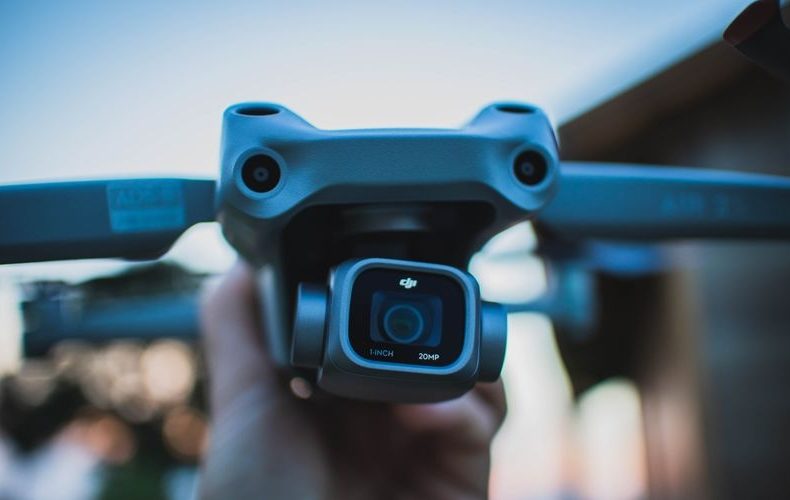
If someone told me two years ago that a 151 gram drone could shoot 4K/60fps video, dodge trees on its own, and land back on my palm like a trained falcon, I'd have laughed them out of the room. Yet here we are. The DJI Neo 2 dropped in November 2025 at $199, and after spending real time flying it around parks, backyards, and a particularly windy beach boardwalk, I'm genuinely impressed by how much capability DJI crammed into something smaller than a paperback novel. This isn't a toy drone with a camera bolted on as an afterthought. It's a proper flying camera that happens to weigh less than most smartphones.
This DJI Neo 2 review is going to break down everything that matters, the camera, the tracking, the obstacle avoidance, the stuff that works brilliantly, and the stuff that'll frustrate you. I've flown the original Neo, the Mini 4K, and the DJI Flip, so I've got context for where this thing sits in the lineup. No sponsored talking points here. Just what I'd tell a friend who texted me "should I buy the Neo 2?" and expected an honest answer back. Spoiler: for most beginners, the answer is yes, but there are a few caveats worth knowing before you hand over your credit card.
What You Actually Get for $199
The base Neo 2 package is just the drone, one battery, and a USB C cable. That's it. No controller, no case, no micro SD card (there's no slot for one anyway, more on that later). You control it with gestures or your phone via the DJI Fly app. The Fly More Combo at $349 adds two extra batteries, a charging hub, and a shoulder bag, which is the version I'd recommend if you're serious about actually using this thing. A single battery gives you roughly 13-15 minutes of real flying time, so having three batteries means close to 45 minutes of actual air time before you're grounded. There's also the Motion Fly More Combo at $709 that bundles DJI Goggles N3 and the RC Motion 3 controller for a full FPV experience, but that's overkill for most beginners.
Camera and Video Quality, 4K That Actually Delivers
The 12MP 1/2 inch CMOS sensor with an f/2.2 aperture isn't going to compete with the DJI Flip's 48MP 1/1.3 inch sensor. Obviously. But for a drone this size and price, the footage is remarkably clean. 4K at 60fps looks sharp in daylight, and the 4K/100fps slow motion mode (available when using a controller) produces buttery smooth clips of action shots, skateboarding, cycling, surfing, whatever you're into. The 2 axis mechanical gimbal plus electronic image stabilization keeps footage smooth enough that you won't need to stabilize in post for most casual content. I shot 2.7K vertical video for Instagram Reels directly on the Neo 2, and the quality held up surprisingly well on a phone screen. Low light is where it stumbles. Anything after golden hour gets noticeably grainy, and the small sensor can't fight physics.
Obstacle Avoidance That Actually Works
This is where the Neo 2 earns its "beginner friendly" badge. Full 360 degree infrared sensors combined with a front facing LiDAR module give the drone genuine spatial awareness. I flew it through a cluttered backyard with tree branches, a clothesline, and a shed overhang, it dodged everything. The original Neo had nothing like this. Zero obstacle sensing. You'd clip a branch and watch $199 tumble into the grass. The Neo 2's sensing even works with FPV goggles in Normal mode, which is a first for a drone at this price. It's not perfect in tight indoor spaces, the infrared can get confused by glass doors and mirrors, but outdoors, it's remarkably competent for a sub 250g machine.
Gesture Control and Palm Landing, The Party Trick That's Actually Useful
Raise a fist, and the Neo 2 powers up and launches from your palm. Blue LiDAR lights confirm it's locked on. Open hand steers direction, palm adjustments control distance, and a flat palm from a distance triggers return to hand landing. Sounds gimmicky. It isn't. I handed this drone to my neighbor who's never flown anything remotely controlled, and within five minutes she was getting usable selfie footage of her kids in the backyard. No app, no controller, no tutorial video. Just hand gestures. That's the real selling point here, not the specs on paper, but the fact that genuinely anyone can fly this thing out of the box.
DJI Neo 2 Review: Intelligent Flight Modes Worth Using
ActiveTrack on the Neo 2 follows subjects at up to 12 m/s (about 27 mph) with eight directional tracking, forward, backward, left, right, and all four diagonals. That's nearly double the original Neo's 8 m/s tracking speed. QuickShots include Dronie, Circle, Rocket, Spotlight, Helix, and Boomerang, all of which produce genuinely cinematic clips without any piloting skill. MasterShots automatically captures diverse angles and edits them together with music. I used MasterShots at a local trail and got a 30 second edit that looked like I'd spent an hour in Premiere Pro. The new SelfieShot mode automatically frames waist up, full body, or long shots without a tripod. Perfect for solo travelers and content creators who don't want to carry a separate setup.
Storage Situation, 49GB, No Expansion
Here's where honest criticism comes in. DJI doubled internal storage from 22GB on the original Neo to 49GB on the Neo 2, but killed the microSD card slot entirely. At 4K/60fps, 49GB gives you roughly 70-80 minutes of footage before you need to offload via USB C. For a weekend trip, that's probably fine. For a two week vacation, you'll be transferring files to your laptop every couple of days. I find this frustrating. A microSD slot costs pennies to include, and its absence feels like a deliberate trade off for waterproofing or weight savings that DJI hasn't actually explained. It's not a dealbreaker, but it's the one spec decision that made me shake my head.
DJI Neo 2 vs DJI Flip vs Mini 4K, Which Should You Buy?
The Neo 2 at 160g is the lightest of the three. The DJI Flip ($439) has a far superior 48MP 1/1.3 inch sensor and 31 minute flight time but lacks the Neo 2's omnidirectional obstacle sensing, it relies on 3D infrared instead. The Mini 4K ($299) offers a 3 axis gimbal and 38 minute flight time but only shoots 4K/30fps and has downward only obstacle sensing. Basically: if camera quality is your top priority, get the Flip. If flight time matters most, the Mini 4K wins. But if you want the safest, most beginner friendly experience with the smartest tracking and gesture control, the Neo 2 is the one. It's also the only sub 250g DJI drone compatible with DJI Goggles for FPV flying, which gives it a unique growth path as your skills develop.
Battery Life and Real World Flight Time
DJI claims 19 minutes. Real. In my testing, with the digital transceiver attached (which adds 9 grams and enables controller/goggles connectivity), I consistently got 13-15 minutes of active flying. Hovering extends that, but who buys a drone to hover? The 11.5Wh battery is a bump from the original's 10.5Wh, but the bigger motors and heavier processing load eat into those gains. The Fly More Combo's three battery setup is basically mandatory. Charging a single battery takes about 40 minutes via the hub, so you can rotate through them reasonably quickly during a shoot. Wind resistance is noticeably better than the first Neo, I flew in 15 mph gusts without losing stability, though the drone compensates by burning through battery faster.
Do’s and Don’ts
Before your first flight, a quick cheat sheet is worth two minutes of your time. These are the habits that kept my footage usable and my Neo 2 out of the repair queue, alongside the mistakes I watched other new pilots make. Skim it now and save yourself a grainy clip or a confused indoor crash later.
Do’s
Don’ts
Buy the Fly More Combo. one battery isn't enough for real use
Don't fly indoors near glass doors or mirrors. infrared sensors get confused
Update firmware before your first flight. early units had tracking bugs
Don't expect DSLR-quality photos. 12MP on a 1/2-inch sensor has limits
Use QuickShots for instant cinematic clips without piloting skill
Don't shoot after sunset. low-light footage gets grainy fast
Practice gesture control in an open field first before tight spaces
Don't forget to offload footage regularly. 49GB fills up faster than you'd think
Enable ActiveTrack for action sports. 12 m/s tracking is genuinely fast
Don't fly in manual FPV mode expecting real FPV drone performance
Shoot vertical 2.7K for social media. it's surprisingly good quality
Don't skip the DJI Fly app setup. it unlocks extra QuickShots modes
Carry extra batteries on trips. 13-15 min real flight time goes quick
Don't buy the $709 Motion Combo unless you're sure you want FPV goggles
Use MasterShots for travel content. auto-edits save hours of work
Don't compare this to $500+ drones. it punches above its weight, not theirs
Register the drone if your country requires it, even under 250g
Don't fly near airports or restricted zones. Neo 2 has geofencing built in
Check DJI's availability in your region. US sales face regulatory issues
Don't assume gesture control means no learning curve. it takes a few tries
FAQs
Is the DJI Neo 2 worth it for a complete beginner?
Absolutely. The Neo 2 is genuinely the most approachable drone I've ever tested. Gesture control means you can launch, fly, and land without ever touching a controller or downloading an app. The omnidirectional obstacle sensing acts as a safety net that prevents the costly crashes beginners typically experience with their first drone. At $199 for the base unit, the financial risk is low compared to the $400-800 range where most capable drones sit. A friend of mine bought one for his 14 year old, and the kid was getting usable footage within ten minutes of unboxing.
How does the DJI Neo 2 camera compare to the DJI Flip?
The Flip wins on raw image quality, its 48MP 1/1.3 inch sensor produces noticeably sharper, more detailed photos and handles low light significantly better than the Neo 2's 12MP 1/2 inch sensor. However, the Neo 2 matches the Flip at 4K/60fps video and offers 4K/100fps slow motion that the Flip can't do. For social media content, Instagram, TikTok, YouTube Shorts, the Neo 2's footage is more than adequate. If you're printing photos or doing professional video work, the Flip's sensor advantage matters. For casual use, most people won't notice a difference on a phone screen.
What's the real flight time of the DJI Neo 2?
DJI rates it at 19 minutes, but real world performance is closer to 13-15 minutes with the digital transceiver attached and active flying (not just hovering). Wind, cold temperatures, and heavy use of tracking features all reduce this further. The Fly More Combo with three batteries gives you about 40-45 minutes of total air time, which is why I recommend it over the standalone drone. Each battery charges in roughly 40 minutes via the included hub.
Can you use the DJI Neo 2 without a phone or controller?
Yes, and this is one of its best features. Gesture control lets you launch from your palm, direct the drone's movement, trigger QuickShots, and land it back on your hand, all without any external device. You'll need the DJI Fly app to access advanced settings, firmware updates, and some shooting modes like 4K/100fps, but for basic selfie and follow me footage, your hands are the only controller you need.
Does the DJI Neo 2 have a microSD card slot?
No. DJI removed the microSD slot that existed on the original Neo and replaced it with 49GB of internal storage. This is enough for about 70-80 minutes of 4K/60fps footage. You transfer files via USB C to your phone or computer. It's a disappointing omission that limits long trip convenience, though most casual users probably won't hit the storage ceiling in a single outing.
Is the DJI Neo 2 available in the United States?
This is complicated. The Neo 2 launched globally in November 2025, but US availability has been affected by regulatory scrutiny of DJI products. Some US retailers have listed it at around $199, and units have appeared through various channels, but official DJI US distribution remains uncertain. Check DJI's website and authorized retailers for the most current availability in your region before purchasing from third party sellers.
How does the DJI Neo 2 handle wind?
Better than you'd expect for a 151 gram drone. The Neo 2's larger motors and improved propellers give it noticeably more stability than the original Neo. I flew comfortably in 15 mph winds without losing position or footage stability. In stronger gusts, the drone compensates but drains battery faster, and you'll see the occasional wobble in footage despite the gimbal and EIS working overtime. DJI rates its wind resistance at Level 5 (19-24 mph), but I'd stay grounded above 18 mph for the best experience.
What's the best DJI drone for beginners in 2026?
The Neo 2 is my top recommendation for most beginners, specifically because of its obstacle avoidance, gesture control, and low price of entry. The DJI Flip ($439) is better if camera quality is your priority and you're comfortable learning traditional stick controls. The Mini 4K ($299) offers longer flight time but significantly less intelligent features and weaker obstacle sensing. The Neo 2 hits the sweet spot where ease of use, safety, and capability all overlap at a price that doesn't sting if you decide drones aren't for you.
We use cookies to see which reviews and buying guides readers find useful, so we can keep improving them. Accept analytics cookies, or carry on with essential ones only. See our Cookie Policy.












 Get it on
  Download on the