So Bose dropped the QuietComfort Ultra Headphones 2nd Gen at $449, and Sony's sitting right there at the exact same price with the WH 1000XM6. Identical sticker. That hasn't happened before in this rivalry, and it makes the decision genuinely harder than any previous generation. I've spent serious time with both pairs over the last few months, commuting, working from noisy coffee shops, taking calls in windy parking lots, and the differences are real but surprisingly specific. This Bose QuietComfort Ultra 2 review isn't going to give you the "both are great!" cop out. One of these fits your life better, and I'll tell you which one based on what actually matters when you're wearing them eight hours a day.
Here's the thing nobody talks about enough: the spec sheets for these two headphones are almost comically similar. Both hit 30 hours of battery with ANC on. Both support spatial audio. Both have multi point Bluetooth connectivity. So the decision comes down to stuff you can't read on a box, how the ANC actually feels in a loud subway car, whether the EQ tuning flatters your playlists or makes vocals sound thin, and which app doesn't make you want to throw your phone. I've been testing premium headphones for long enough to know that the $449 tier is where manufacturers stop cutting corners and start making real engineering choices. This comparison forced me to get specific, and that's exactly what you're getting below.
Bose QuietComfort Ultra 2 Review: Design and Build Changes
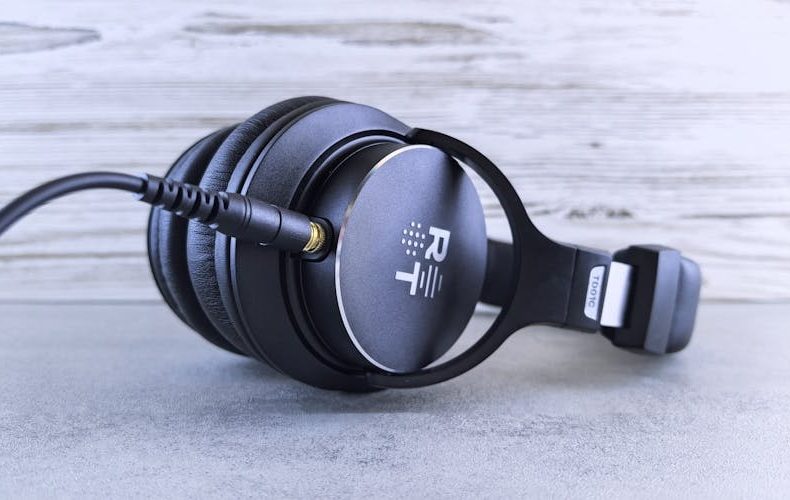
Bose played it safe with the physical redesign. Really safe. The biggest visible change is swapping the matte finish on the metal yokes for a polished, reflective look, it's shinier, sure, but functionally identical. The earcup shape, the headband padding, the fold mechanism: all carried over from gen one. That's not necessarily a complaint. The original QC Ultra was already one of the most comfortable over ear headphones on the market, and Bose didn't mess with that formula. I wore these for a six hour flight without any hotspots or pressure points, which is more than I can say for a lot of $449 headphones.
The real design win is the new wear detection. Lay the headphones flat on a desk and they'll disconnect from Bluetooth and drop into a low power sleep mode automatically. Pick them up, put them on, and they reconnect in about two seconds. No button press, no fumbling through an app. Apple's AirPods Max requires the case for this trick. Sennheiser's Momentum 4 needs it too. Bose just… does it. That single feature has changed how I use these day to day, I stop and start constantly between meetings, and not having to manually power cycle saves more friction than you'd expect. Weight sits around 250g, which is comparable to the Sony XM6 at 254g. Neither will fatigue you during long sessions.
Noise Cancellation: Where Bose Still Leads
This is the headline for this Bose QuietComfort Ultra 2 review. The ANC is the best I've tested. Period. Bose has always had a slight edge here, and the 2nd gen widens it. The passive isolation is part of the story, the ear cushion design creates a tighter seal than Sony's slightly shallower pads, but the active processing is where the gap really shows. Low frequency drone from airplane engines, HVAC systems, and train rumble gets swallowed almost completely. I sat next to a construction site jackhammer test and could still hear my podcast clearly at 40% volume. Absurd.
Sony's XM6 is no slouch. The QN3 processor running those 12 microphones does impressive real time tuning, and the adaptive optimizer adjusts cancellation based on atmospheric pressure and your ear shape. But in direct A/B testing, same environment, same audio, swapping headphones back and forth, the Bose blocked maybe 10-15% more ambient noise in the low mid frequency range. For office chatter and keyboard clicks, the difference narrows significantly. If you're primarily using these at a desk, you might not notice. On a plane or noisy commute? You'll notice.
Sound Quality: Sony's XM6 Pulls Ahead
Here's where the Sony WH 1000XM6 earns its keep. The new 30mm carbon fiber dome drivers deliver noticeably better clarity across the frequency range, especially in the midrange where vocals live. Listening to Billie Eilish's "Birds of a Feather" back to back on both headphones, the XM6 presented her voice with more texture and separation from the instrumentation. The Bose sounded good, warm, full, pleasant, but slightly veiled by comparison. Not muddy, just less precise.
The Bose QC Ultra 2 sticks closer to a reference tuning curve in this generation, which is an improvement over gen one's slightly bass heavy default profile. Bose supports aptX Adaptive via Bluetooth 5.4, while Sony counters with LDAC and LC3 via Bluetooth 5.3 plus LE Audio. If you're an Android user with a phone that supports LDAC, Sony will deliver higher resolution wireless audio. iPhone users won't notice a difference since both default to AAC on iOS. The Bose does offer USB C wired playback at 24 bit/48kHz, which is solid for desktop listening. Sony matches that and raises with Bluetooth LE Audio support and Auracast, which lets multiple people listen to the same source simultaneously. Niche, but genuinely cool for couples watching a movie on a tablet.
Both headphones offer spatial audio, and both take different approaches. Bose's Immersive Audio mode comes with three settings, Still, Motion, and the new Cinema mode. Still works best when you're seated and not moving your head much. Motion uses head tracking to anchor sound sources as you turn. Cinema widens the soundstage for movies and gaming. The trade off? Immersive Audio drops your battery life from 30 hours to about 23 hours. That's a meaningful hit.
Sony's 360 Reality Audio requires compatible content from services like Tidal, Amazon Music, or nugs.net, which limits its usefulness. However, the new 360 Reality Audio Upmix for Cinema feature can spatialize any stereo content, and it does a surprisingly convincing job. I watched Dune: Part Two with the XM6's cinema upmix enabled and the sandworm sequences felt genuinely immersive without that artificial "echoey room" effect you get from bad spatial processing. Bose's Cinema mode is comparable but narrower in its staging. For music listening with spatial audio, I'd give a slight edge to Bose's implementation because it doesn't require specific streaming service support. For movies, Sony wins.
App Experience and Daily Usability
The Bose Music app has improved, but it's still not great. Customization options are limited compared to Sony's Headphones Connect app, which offers a ten band EQ, detailed ANC adjustments, and a dizzying number of toggles for features you didn't know existed. Sony's app feels like it was designed by engineers who use their own headphones. The Bose app feels like it was designed by a marketing team. That sounds harsh, but when you're trying to fine tune your EQ and Bose gives you three presets while Sony gives you ten draggable bands, the difference in philosophy is clear.
Touch controls on both are responsive, but Sony's implementation is snappier. Swipe gestures on the XM6 earcup register faster and more reliably, especially the volume swipe. Bose's touch panel occasionally misreads a tap as a swipe. Minor, but it adds up across a full day. Both support multipoint Bluetooth for connecting to two devices simultaneously, phone and laptop, typically, and both handle the switching smoothly. Call quality is strong on both, though Sony's 12 microphone array with bone conduction sensors produces cleaner voice isolation in windy conditions. I took a call walking downtown in 20mph gusts and the XM6 kept my voice clear while the Bose picked up more wind noise.
Battery Life and Charging: A Dead Heat
Thirty hours with ANC on. Both of them. That number isn't marketing fluff either, I consistently got 28-31 hours from each pair in real world mixed usage with ANC active, volume around 50-60%, and Bluetooth multipoint connected. Without ANC, the Bose stretches to about 45 hours versus Sony's 40. If you're a light ANC user who only toggles it on during flights, the Bose has a small edge in total endurance.
Fast charging tells a different story, though. Sony's quick charge is borderline magical: three minutes of USB C charging gives you three hours of playback. Three minutes. Bose needs 15 minutes for 2.5 hours. Both are useful in a pinch, but Sony's is the one that actually saves you when you forgot to charge overnight and have a flight in 20 minutes. Neither supports wireless Qi charging, which at $449 feels like a missed opportunity for both companies. Maybe gen three.
Who Should Buy Which? The Honest Verdict
If noise cancellation is your top priority, you fly frequently, commute on loud transit, or work in open plan offices, the Bose QuietComfort Ultra 2 is the better buy. Its ANC advantage is consistent and meaningful in high noise environments. The wear detection auto sleep feature also makes it a better "grab and go" headphone for people who pick them up and put them down constantly throughout the day. The comfort is marginally better for very long sessions too.
If sound quality matters most, or if you're deep in the Android ecosystem where LDAC delivers real benefits, the Sony WH 1000XM6 is the stronger choice. The audio clarity gap is noticeable, the app gives you far more control, and features like LE Audio and Auracast future proof the purchase. Call quality in challenging environments also favors Sony. For most people who split their time between music, calls, and commuting? I'd lean Sony by a hair. But honestly, both are excellent at $449, and you won't regret either purchase.
Do’s and Don’ts
At $449 apiece, the gap between these two headphones is narrow enough that how you buy and set them up matters almost as much as which one you pick. A bad seal, a codec your phone cannot use, or a feature left switched on can quietly erase the advantage you paid for. Run through the quick reference below before you order, and again during your first week of listening.
Do’s
Don’ts
Test both in-store if possible. ANC performance varies by ear shape and seal
Don't buy based on brand loyalty alone; both companies leapfrog each other every generation
Use aptX Adaptive on Android with the Bose for best wireless audio quality
Don't leave Immersive Audio on permanently. it drains Bose battery from 30 to 23 hours
Download the companion app before first use to get firmware updates and EQ access
Don't expect the Bose Music app to match Sony's customization depth
Carry a USB-C cable for wired 24-bit/48kHz listening on flights without Bluetooth
Don't assume spatial audio sounds identical on both. try Cinema mode on each
Take advantage of Sony's 3-minute quick charge when you're in a rush
Don't skip the fit test in Sony's app. adaptive ANC relies on proper seal detection
Use multipoint Bluetooth to stay connected to both phone and laptop simultaneously
Don't buy the Bose expecting Sony-level sound clarity in the midrange
Enable wear detection on the Bose to save battery when you set them down
Don't ignore the codec your phone supports. LDAC on Sony only benefits Android users
Check retailer deals. both frequently drop $50-80 during sales events
Don't pay full price if you can wait for Prime Day or Black Friday pricing
Consider the Sony if you make frequent calls in noisy or windy environments
Don't overlook comfort during extended wear. try both for at least 20 minutes
Use the 10-band EQ on Sony's app to dial in your preferred sound signature
Don't return them after one day. ANC and sound both improve after earcup break-in
FAQs
Is the Bose QuietComfort Ultra 2 worth the upgrade from the original QC Ultra?
If you already own the first gen QC Ultra, the upgrade is modest. The biggest gains are wear detection auto sleep, Bluetooth 5.4 with aptX Adaptive, and refined ANC tuning that handles mid frequency noise slightly better. Sound quality improvements are incremental, not transformative. If your gen one pair is working fine, I'd suggest waiting for a sale or the next generation. But if you're coming from a QC 45 or older, the jump is substantial and absolutely worth the $449.
Does the Sony WH 1000XM6 have better sound quality than the Bose QC Ultra 2?
Yes, in most listening scenarios. Sony's new 30mm carbon fiber drivers deliver more detailed midrange reproduction and a wider soundstage. The difference is most apparent with vocal heavy music, acoustic instruments, and complex arrangements where separation matters. The Bose sounds warmer and more forgiving, which some listeners prefer for casual background music. But if you sit down and critically listen, the Sony reveals more detail. The gap narrows if you use Bose's wired USB C connection at 24 bit/48kHz resolution.
Which has better noise cancellation, Bose QC Ultra 2 or Sony XM6?
The Bose QC Ultra 2 edges out the Sony in active noise cancellation, particularly in the low frequency range where airplane engines, train rumble, and HVAC drone live. The difference is roughly 10-15% better noise reduction in those specific frequencies. Sony's XM6 counters with 12 microphones and the QN3 processor for real time adaptive tuning, and it's excellent, just not quite as quiet as the Bose in the noisiest environments. For typical office noise and moderate ambient sound, both perform nearly identically.
Can you use the Bose QuietComfort Ultra 2 wired?
Absolutely. The QC Ultra 2 supports wired audio via USB C with playback quality up to 24 bit/48kHz. This is useful on flights where Bluetooth isn't always reliable, or when you want the lowest possible latency for gaming or video editing. The Sony XM6 also supports wired USB C with similar resolution. Neither includes a traditional 3.5mm analog cable in the box anymore, which is a minor annoyance if you have older audio equipment.
How long does the Bose QuietComfort Ultra 2 battery actually last?
Bose claims 30 hours with ANC enabled, and real world testing consistently delivers 28-31 hours depending on volume level and whether you're using multipoint Bluetooth. With Immersive Audio (spatial audio) turned on, that drops to about 23 hours. With ANC completely off, you can stretch it to roughly 45 hours. A 15 minute quick charge adds about 2.5 hours of playback, which is decent but slower than Sony's 3 minute for 3 hours fast charge.
Are there any major problems with the Bose QuietComfort Ultra 2?
The most common complaint is the limited app customization. If you're someone who wants granular EQ control, the Bose Music app only offers basic presets compared to Sony's full ten band equalizer. The touch controls occasionally misread gestures, registering taps as swipes. And the spatial audio battery hit, dropping from 30 to 23 hours, is steeper than competitors. None of these are dealbreakers, but they're worth knowing before you spend $449.
Should I wait for a sale on the Bose QC Ultra 2 or Sony XM6?
Both headphones regularly see discounts of $50-80 during major sales events like Prime Day, Black Friday, and holiday promotions. If you're not in a rush, waiting for a sale can bring either pair into the $370-400 range, which makes them significantly easier to recommend. At full price, the value proposition is strong but tight. At $380? Either one becomes an easy buy. Check Bose.com and authorized retailers for bundle deals that sometimes include a carrying case or extra ear cushions.
We use cookies to see which reviews and buying guides readers find useful, so we can keep improving them. Accept analytics cookies, or carry on with essential ones only. See our Cookie Policy.









 Get it on
  Download on the