Samsung dropped the Galaxy S26 Ultra on March 11, 2026, and I've been using it as my daily driver for over a month now. The $1,299 starting price hasn't budged from last year's S25 Ultra, which immediately raises the question, what exactly are you getting for your money this time around? The headline feature is a "Privacy Display" that dims the screen from side angles so strangers can't peek at your texts on the subway. Cool party trick. But the real story here is a wider f/1.4 camera aperture, 60W wired charging (finally), and a 39% bump in NPU performance for Galaxy AI. If you're sitting on an S24 Ultra or older and wondering whether this Samsung Galaxy S26 Ultra review will convince you to upgrade, I'll be blunt about what's genuinely better and what's just marketing noise.
I've tested flagship phones for years, and I've owned three consecutive Galaxy Ultra models before this one. That means I know exactly where Samsung tends to cut corners and where they genuinely push forward. This review covers everything from the camera system and battery stamina to the AI features and the real world problems users are already reporting. I'll stack it against the iPhone 17 Pro Max and tell you whether your $1,299 (or $1,799 for the maxed out 1TB model) is well spent. No sponsorship, no affiliate pressure, just what I'd tell a friend who texted me asking "should I buy this thing?"
Design and Build: Aluminum Returns, Titanium Exits
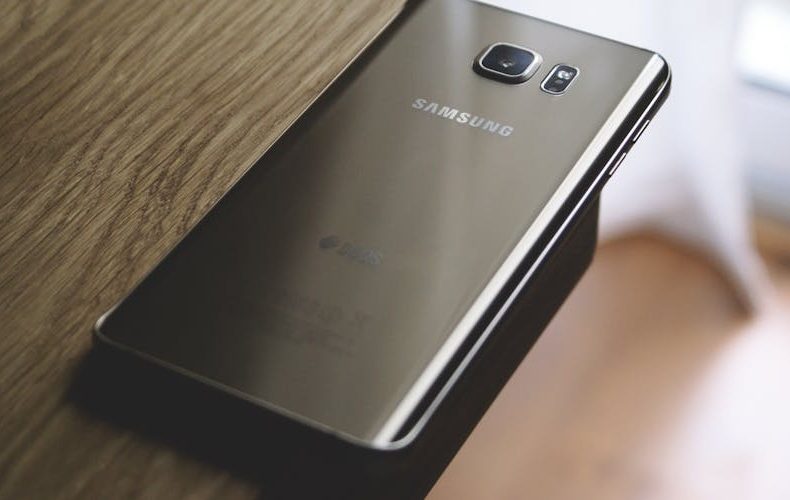
Samsung ditched the titanium frame after just two generations. The S26 Ultra goes back to aluminum, which shaves the weight down to 214 grams from the S25 Ultra's 218 grams. Doesn't sound like much on paper. In the hand, though, the difference is noticeable after an hour of scrolling, four grams across a phone this size changes the balance. The dimensions are 163.6 x 78.1 x 7.9 mm, making it 0.3mm thinner than its predecessor. It's still a massive phone, obviously. You're not fitting this comfortably in slim jeans.
The build quality is solid but the switch from titanium to aluminum does feel like a cost cutting move dressed up as a "weight optimization." Gorilla Armor 2 protects the display, and the flat edges remain from last year's design language. Four color options ship at launch. One thing that bugs me, the camera module still wobbles on flat surfaces. The iPhone 17 Pro Max solved this with a plateau design. Samsung hasn't. Minor, but annoying when you're typing on a desk.
The 6.9 Inch Privacy Display: Brilliant or Broken?
The 6.9 inch Dynamic AMOLED 2X panel runs at QHD+ resolution (3,120 x 1,440 pixels) with LTPO adaptive refresh from 1Hz to 120Hz and HDR10+ support. Gorgeous screen. That part hasn't changed. What has changed is the Privacy Display, Samsung's marquee feature for 2026. It uses a new Flex Magic Panel pixel structure to restrict viewing angles when enabled. The idea is solid: nobody on the train reads your emails over your shoulder.
The execution? Messy. A significant number of users are reporting eye strain, headaches, and even nausea after extended use. The Flex Magic Panel changes how the screen renders content at the subpixel level, and sensitive users notice text that looks slightly processed or blurry, even when Privacy Mode is turned off. Samsung acknowledged flickering and distortion issues and promised fixes in the April 2026 firmware update. But here's the uncomfortable truth: the eye strain stems from the hardware level panel itself, so software patches can only do so much. I personally noticed mild discomfort after about three hours of continuous reading. Not a dealbreaker for me, but if you get screen related headaches easily, test one in a store first.
Samsung Galaxy S26 Ultra Review: Camera System Deep Dive
The quad camera setup is where this phone earns its keep. A 200MP main sensor now sits behind an f/1.4 aperture, widened from f/1.7 on the S25 Ultra. That's roughly 50% more light hitting the sensor. In practical terms, I shot usable handheld photos in a dimly lit restaurant at ISO 3200 that came out significantly cleaner than anything my S25 Ultra produced. The 50MP ultrawide handles its job competently, and the dual telephoto arrangement (10MP at 3x, 50MP periscope at 5x with f/2.9 aperture) gives you flexibility the iPhone 17 Pro Max's single 4x telephoto can't match.
Not all perfect, though. Samsung confirmed a bug where 3x zoom photos came out noticeably soft and blurry, especially in low light with flash. They patched it in the April security update (build S948BXXS2AZCL), so make sure you're running that. Some users also reported condensation forming inside the telephoto lenses in cold weather, moving from warm indoors to below freezing temperatures caused the 3x and 5x lenses to fog up internally, despite the IP68 rating. That's a hardware design issue Samsung hasn't addressed yet. If you live somewhere with harsh winters, keep this in mind.
Battery and Charging: 5000mAh for the Seventh Year Running
Samsung has put a 5,000mAh battery in the Ultra flagship for seven consecutive years now. Seven. The capacity hasn't grown, but efficiency has, the Snapdragon 8 Elite Gen 5 is meaningfully more power efficient, and in my testing the S26 Ultra consistently lasted a full day of heavy use with 15-20% remaining by midnight. Not extraordinary. Adequate. A friend who switched from the iPhone 17 Pro Max (which packs a 5,588mAh cell) says the iPhone lasts noticeably longer, and battery benchmark data backs that up.
The real upgrade is charging speed. 60W wired charging is finally here, the highest ever on a Galaxy phone. Zero to 75% in about 30 minutes. Respectable. Still nowhere near the 120W+ speeds Chinese competitors like OnePlus and Xiaomi have offered for years, but a genuine step forward for Samsung. Wireless charging hits 25W on paper, though many users report their chargers (including Samsung's own accessories) cap out at 10-15W in practice. Frustrating.
Galaxy AI in 2026: Now Nudge, Now Brief, and Smarter Bixby
The 39% NPU performance boost powers a suite of on device AI features that are actually useful this time around. Now Nudge reads your screen context and suggests actions, if someone texts you asking for photos, it offers a shortcut to your Gallery. If you're reading an email with flight details, it nudges you to add a Calendar event. Sounds gimmicky. In practice, it saved me about ten taps a day after the first week, which adds up.
Now Brief delivers personalized morning summaries, your calendar, weather, reminders based on saved booking details, even friends' birthdays it pulls from your contacts. Bixby finally understands natural language for settings changes ("turn on dark mode and lower brightness to 40%") without needing precise command syntax. Photo Assist lets you describe edits in plain English: "make this a night scene" or "fill in the missing part of this object." The results are hit or miss but impressive when they work. Samsung's AI strategy finally feels coherent rather than scattershot. That said, Google's Pixel phones still handle AI photo editing more naturally, and Apple's Siri integration on the iPhone 17 Pro Max is catching up fast.
Samsung Galaxy S26 Ultra Review: How It Stacks Against the Competition
The iPhone 17 Pro Max costs roughly the same and brings its own strengths, a larger 5,588mAh battery, the A19 Pro chip (which still leads in single core tasks), titanium build, and a stable camera plateau that doesn't wobble. Its 4x telephoto is excellent but you lose the zoom flexibility of Samsung's dual telephoto setup. Video recording on the iPhone remains best in class. If you're deep in the Apple ecosystem, the S26 Ultra won't pull you away.
Against Android competitors, the picture shifts. The Google Pixel 11 Pro is expected in August 2026 with a 2nm Tensor G6 chip that could shake up the performance hierarchy. For $300-400 less, the standard Galaxy S26 gives you 90% of the experience without the periscope zoom or S Pen. OnePlus and Xiaomi flagships offer faster charging, comparable cameras, and lower prices, but lack Samsung's software update commitment (seven years of OS updates). The S26 Ultra is the best Android phone you can buy right now. Whether it's worth $1,299 depends entirely on whether you need that telephoto range and the S Pen.
Known Issues and What to Watch For
Transparency matters. Here's what real users are dealing with after one month on the market. The Privacy Display issues are the biggest concern, eye strain reports are widespread enough that Samsung publicly acknowledged them. The 3x camera blur bug has been patched, but the cold weather lens condensation problem remains unresolved. Wireless charging rarely hits the advertised 25W ceiling. Android Auto connectivity problems have cropped up for some users. And iFixit noted that Samsung still glues internal components heavily, making repairs expensive and third party fixes nearly impossible.
None of these are phone killing flaws. But at $1,299, you deserve to know about them before buying. My advice: wait for the April firmware update to land on your carrier's variant before purchasing, and test the display in person if you're sensitive to screen flickering. The camera and performance are genuinely excellent once you're past the early software bugs.
Do’s and Don’ts
A month with the Galaxy S26 Ultra made it clear that this phone rewards owners who configure it deliberately and punishes the ones who buy on autopilot. Storage tier, firmware version, and charging setup all change the experience more than any spec sheet line does. Run through the table below before you order, and again during your first week of setup.
Do’s
Don’ts
Update to the April 2026 firmware immediately for the 3x camera fix
Don't buy the 128GB base model. 256GB minimum at this price tier
Use a flat wireless charger rated for 25W+ to maximize charging speeds
Don't rely on Privacy Display for sensitive documents until Samsung patches the flickering
Test the display in a Samsung store before buying if you're prone to eye strain
Don't expect wireless charging to consistently hit 25W. 10-15W is more realistic
Grab the 512GB model ($1,499) if you shoot a lot of 200MP photos and 8K video
Don't use the telephoto cameras in rapid indoor-outdoor temperature swings during winter
Enable Now Nudge and give it a week. it gets more useful as it learns your habits
Don't ditch a perfectly good S25 Ultra for this. the upgrade is incremental
Use the S Pen for quick notes and document markup. it's still the best stylus on any phone
Don't ignore the seven years of OS update commitment when comparing prices to Chinese flagships
Pair with Galaxy Buds 4 Pro for the best seamless audio handoff experience
Don't expect titanium-level scratch resistance from the aluminum frame
Set up Samsung DeX if you travel. it's a genuine laptop replacement for light tasks
Don't skip a case. the camera module wobble means it'll slide on smooth surfaces
Shoot in 50MP mode for the sweet spot between file size and detail
Don't buy expecting the Privacy Display to work flawlessly. it's a first-gen feature
Compare pricing across carriers. T-Mobile and Best Buy frequently offer $200-300 trade-in bonuses
Don't overlook the standard Galaxy S26 if you don't need 5x zoom or the S Pen
FAQs
Is the Samsung Galaxy S26 Ultra worth upgrading from the S25 Ultra?
Honestly, probably not. The jump from S25 Ultra to S26 Ultra is one of the smallest year over year upgrades Samsung has delivered. You get a wider f/1.4 camera aperture, faster 60W charging, and the Privacy Display, but the same 5,000mAh battery, similar design language, and an incremental chipset improvement. If your S25 Ultra works fine, keep it another year. The S26 Ultra makes far more sense as an upgrade from the S23 Ultra or older, where the cumulative improvements in camera quality, AI features, and charging speed are actually dramatic.
How does the Galaxy S26 Ultra camera compare to the iPhone 17 Pro Max?
The S26 Ultra wins on zoom versatility with its dual telephoto setup (3x and 5x) versus the iPhone's single 4x lens. The f/1.4 main camera pulls in roughly 50% more light than the S25 Ultra and outperforms the iPhone 17 Pro Max's f/1.8 aperture in low light stills. However, the iPhone still produces more natural skin tones, better HDR video, and more consistent results across all lighting conditions. Samsung tends to over sharpen and saturate, it looks punchy on Instagram but less accurate in real life. For photography enthusiasts, Samsung edges ahead. For video creators, iPhone remains king.
What are the biggest problems with the Galaxy S26 Ultra?
The Privacy Display's Flex Magic Panel pixel structure is causing eye strain and headaches for a notable percentage of users, even when Privacy Mode is disabled. The 3x zoom camera had a blur bug at launch (now patched). Cold weather condensation inside the telephoto lenses is a hardware issue with no fix yet. Wireless charging frequently underperforms its 25W rating, landing at 10-15W with many chargers. Samsung has been responsive with software patches, but the display related hardware concerns can't be fully resolved through updates.
Is 12GB RAM enough on the base Galaxy S26 Ultra in 2026?
The base model ships with 12GB of RAM, which handles multitasking and AI processing fine for most users right now. Heavy multitaskers who keep 15+ apps open or use Samsung DeX as a desktop replacement might notice occasional reloads. The 16GB model (available with 512GB and 1TB storage) runs noticeably smoother when juggling multiple AI intensive tasks simultaneously. For $200 more, the 512GB/16GB configuration is the sweet spot I'd recommend if your budget stretches that far.
How long will the Samsung Galaxy S26 Ultra receive software updates?
Samsung commits to seven years of OS updates and security patches, meaning the S26 Ultra will receive Android updates through approximately 2033. That's on par with Apple's iPhone support and significantly longer than most Android competitors. Google's Pixel line matches this commitment, but brands like OnePlus, Xiaomi, and Motorola typically offer only three to four years. This long term software support is one of the strongest arguments for paying Samsung's premium pricing, you're not buying a phone for two years, you're buying it for seven.
Should I buy the Galaxy S26 Ultra or wait for the Pixel 11 Pro?
If you can wait until August 2026, it's worth seeing what Google delivers with the Pixel 11 Pro and its rumored 2nm Tensor G6 chip. Google's phones typically cost $300-400 less than Samsung's Ultra and offer arguably better computational photography and a cleaner Android experience. However, you lose the S Pen, the 5x periscope zoom, and Samsung's DeX desktop mode. If you need a phone now and want the absolute best Android hardware available today, the S26 Ultra is the answer. If you value value for money and AI first photography, waiting for the Pixel makes strategic sense.
Does the S Pen still come included with the Galaxy S26 Ultra?
Yes, the S Pen is still included and housed inside the phone body, no extra purchase needed. It supports Bluetooth connectivity for remote shutter control, presentation slides, and air gestures. The latency is rated at 2.8ms, which makes handwriting and sketching feel nearly pen on paper natural. Samsung remains the only major manufacturer offering an integrated stylus at this level, and for note takers, artists, and document annotators, it's a genuine differentiator that no competitor matches.
We use cookies to see which reviews and buying guides readers find useful, so we can keep improving them. Accept analytics cookies, or carry on with essential ones only. See our Cookie Policy.













 Get it on
  Download on the