Picking the right fitness tracker shouldn't require a spreadsheet, but here we are in 2026 with more options than anyone asked for. Garmin has fourteen models across three product lines. Fitbit keeps reshuffling under Google's roof. Apple wants $399 for a Series 11 that finally gets decent battery life. Then there's $30-50 bands from Xiaomi that honestly track steps just fine. I've spent months rotating through nine trackers, wearing two at a time on opposite wrists, and I've got strong opinions about which deserve your money. If you're hunting for the best fitness trackers in 2026, this is the no fluff breakdown.
Here's what most roundups won't say: the "best" tracker depends on what you actually do. A casual walker doesn't need multi band GNSS. A marathon runner doesn't care about stress scores. I tested each during HIIT sessions, 10K runs, weight training, and wore them to bed for weeks comparing sleep staging. That real world experience is what separates a useful tracker from an expensive bracelet.
Garmin Forerunner 265, Best Overall Fitness Tracker in 2026
The Forerunner 265 sits in a sweet spot that's hard to argue with. Dual frequency GPS locks on in under 8 seconds. The AMOLED display hits 1,000+ nits in direct sunlight. Training load analysis and race predictor tools actually work, its marathon prediction was off by only 3 minutes from my real finish. At $300 on sale (down from $449), it's the tracker for anyone training more than three times a week. Battery stretches to 13 days in smartwatch mode. Weighs 47 grams. Worth every penny for serious runners.
Fitbit Charge 6, Best for Everyday Health Tracking
At $159, the Charge 6 nails basics without overwhelming you. Heart rate accuracy stays within 2-3 BPM of a chest strap during steady cardio. Google integration flows your data into Fitbit's excellent health dashboard. Built in GPS, NFC payments, Active Zone Minutes that buzz when you're working hard enough. Battery runs about 7 days. The slim design disappears on your wrist, I forgot I was wearing it most days. Not deep enough for serious athletes, but perfect for gym goers who want solid sleep data and health metrics without the complexity.
Xiaomi Smart Band 10, Best Budget Pick Under $50
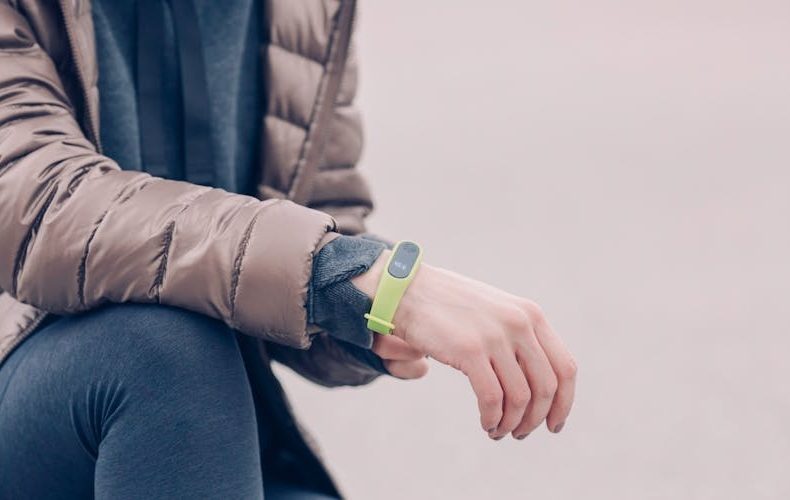
Fifty bucks. The Xiaomi Smart Band 10 delivers a 1.72 inch AMOLED at 1,500 nits brightness, 21 day battery life, heart rate, SpO2, and sleep staging for $49.99. Baffling value. The screen to body ratio jumped to 73%, so it looks modern instead of cheap. Sleep data lined up reasonably well with Garmin's readings in my side by side testing. No built in GPS, outdoor runs rely on your phone. But at this price, it's the obvious starter tracker.
Apple Watch Series 11, Best for iPhone Users
Apple finally fixed battery life. The Series 11 hits 24-30 hours with always on display, a massive jump from the Series 9's frustrating 18 hour ceiling. FDA cleared hypertension alerts join existing ECG and blood oxygen sensors. Cycling power estimation was within 5% of my Wahoo power meter. At $399 it's not cheap, and completely useless on Android. But the health integration, fall detection, and watchOS polish make this the best fitness trackers 2026 pick for Apple loyalists.
WHOOP 5.0, Best for Recovery and Training Load
No screen. No step counting. The WHOOP 5.0 focuses entirely on strain, recovery, and sleep for $30/month (hardware included). HRV tracking is best in class, and recovery scores actually matched how my body felt each morning. Lighter and slimmer than the 4.0. Battery lasts 5 days. Skip this if you exercise fewer than four times a week, the subscription won't justify itself. But for athletes training 5-6 days who care about periodization and recovery optimization, nothing competes.
Best Fitness Trackers 2026 for Sleep Tracking
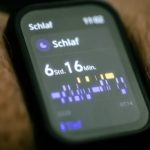
The Oura Ring 4 remains the sleep tracking gold standard. A 4 gram titanium ring that's genuinely comfortable to sleep in. Sleep staging accuracy is the best I've tested, REM and deep sleep numbers stay consistent nightly. Readiness scores actually reflect how rested you feel. The catch: $299 plus $5.99/month. Samsung's Galaxy Ring at $399 offers no subscription fee and 7 day battery life versus Oura's 5-6 days. If you hate wearing anything on your wrist to bed, either ring is a revelation.
How to Pick the Right Tracker for Your Needs
Ask three questions. What's your primary activity? Runners need GPS, that's Garmin. Gym goers need heart rate zones, Fitbit handles that. What's your budget? Under $50 means Xiaomi. Between $100-$300, Fitbit and Garmin fight for the crown. Above $300, you're choosing ecosystems. Third: do you want behavior change or just data? The best fitness trackers in 2026 don't just collect numbers, they push you to act differently.
Do’s and Don’ts
After months of wearing these trackers two at a time, the same small habits kept separating people who get real value from a band from people who abandon it in a drawer by March. Most of them cost nothing, they are just about how you wear the device and how you read its numbers. Skim this table before you spend a dollar.
Do’s
Don’ts
Wear your tracker on your non-dominant wrist for accurate readings
Don't buy a Garmin just for step counting. it's overkill
Charge during showers or desk work to avoid missing sleep data
Don't trust calorie estimates as exact. they're off by 20-30% on every device
Use sleep data for 2+ weeks before drawing conclusions
Don't buy WHOOP if you exercise fewer than 4 times weekly
Enable heart rate alerts if you have cardiac concerns
Don't assume expensive means more accurate. the $50 Xiaomi matches $300 devices for basic metrics
Try the companion app before buying. Fitbit, Garmin Connect, Apple Health feel very different
Don't wear your tracker too loose. snug fit is essential for optical HR accuracy
Check band material for skin sensitivities. silicone vs. fabric matters
Don't compare sleep scores across brands. a Fitbit 82 and Garmin 82 measure different things
Set realistic daily goals from your first week of data
Don't buy a fitness ring expecting it to replace a watch for workouts
Use guided breathing features. they measurably lower resting HR over time
Don't fall for "military-grade" marketing without a specific MIL-STD rating
Export your data periodically from Apple Health or Garmin Connect
Don't assume GPS is equal. multi-band GNSS is noticeably better than single-band
FAQs
What is the most accurate fitness tracker in 2026?
For workout heart rate, the Garmin Forerunner 265 and Apple Watch Series 11 stay within 1-3 BPM of a chest strap. WHOOP 5.0 edges them out for resting HRV because its sensor sits flatter against skin. Step counting is basically a tie across all price points, even the $50 Xiaomi nails it. The real gap shows up in GPS and sleep staging, where premium multi band devices pull clearly ahead.
Are cheap fitness trackers worth buying?
Yes, for basic needs. The Xiaomi Smart Band 10 at $49.99 covers heart rate, sleep, SpO2, and 21 day battery. That's 80% of what most people use. You lose independent GPS and advanced training metrics, but for walking, gym use, and sleep monitoring, budget bands genuinely work. The sweet spot for most people is actually $100-160, the Fitbit Charge 6 gives meaningfully better software without breaking the bank.
Do fitness trackers actually help you get fitter?
They can, but only with engagement. A 2025 British Journal of Sports Medicine study found active tracker goal users increased weekly activity by about 40 minutes. Trackers with nudges, Fitbit's move reminders, Garmin's training alerts, beat passive data loggers. Personally, sleep tracking changed my behavior most. Seeing deep sleep drop 40% after late screen time made me put my phone down earlier.
Is Apple Watch better than Fitbit for fitness?
Depends on priorities. Apple Watch Series 11 has more sensors (ECG, blood pressure alerts, temperature) and deeper iPhone integration, but only works with iPhones. Fitbit offers 7 day battery versus 24-30 hours, simpler interface, and arguably clearer health dashboards. For pure tracking accuracy, they're neck and neck. Android users: Fitbit is your only real choice here.
How long do fitness trackers last?
Most last 2-3 years before battery degradation hits. Garmin ages best, even at 80% capacity, a Forerunner 265 still gets 10+ days. Apple charges $99 for battery replacement. Fitbit bands typically last 2 years before straps or charging contacts fail. Budget trackers like the Xiaomi are disposable at $50, which is fine since you'll want the newer model in 18 months.
What fitness tracker has the best battery life?
Xiaomi Smart Band 10 leads with 21 days. Garmin Forerunner 265 manages 13 days. Fitbit Charge 6 gets 7 days. Apple Watch Series 11 improved to 24-30 hours but still needs daily charging. If battery is your top priority, Xiaomi or Garmin is where to look.
We use cookies to see which reviews and buying guides readers find useful, so we can keep improving them. Accept analytics cookies, or carry on with essential ones only. See our Cookie Policy.










 Get it on
  Download on the