






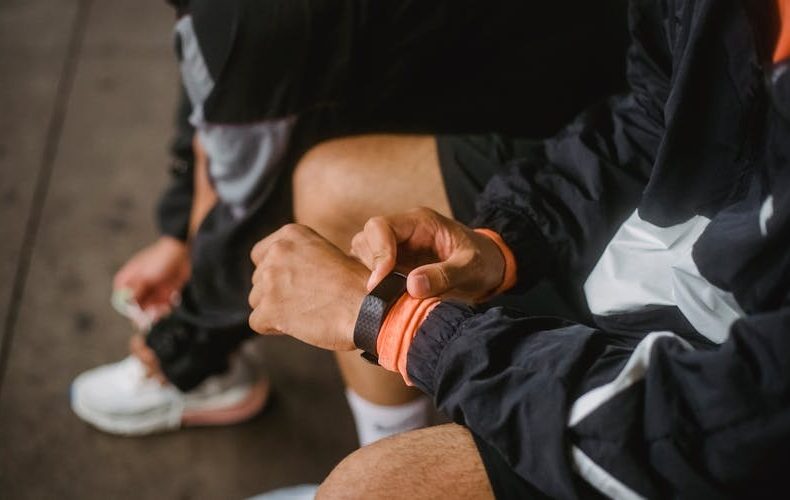
Picking a running watch used to be simple. Garmin made them, everyone else tried. That world is gone. In 2026, the best running watches come from three brands fighting genuinely different battles, Garmin owns training analytics, Apple turned the Ultra 3 into a credible GPS sports watch with satellite messaging, and Polar quietly ships the most accurate wrist based heart rate hardware you can buy. I've spent four months rotating between a Forerunner 970, an Apple Watch Ultra 3, and a Polar Vantage V3 across road runs, track intervals, and trail halfs. The differences matter way more than any spec sheet suggests.
Here's the problem with most "best" lists, they rank by feature count. More features, higher rank. Lazy. A marathoner chasing a BQ doesn't need satellite texting. An ultrarunner logging 80 mile weeks couldn't care less about Bluetooth calling. Someone training for their first 10K shouldn't spend $799 on titanium they'll bang against a doorframe. I'm breaking this down by what actually matters: GPS accuracy, training insights, HR reliability, battery under real GPS load, and whether the software helps you run faster or just makes pretty charts.
Garmin Forerunner 970: Best Running Watches 2026 Pick for Serious Training
The Forerunner 970 costs $749.99 and mostly justifies it. A 1.4 inch AMOLED at 454×454 pixels, Garmin's brightest ever, wrapped in sapphire crystal and titanium. Weighs 56 grams. The Elevate V5 heart rate sensor delivers noticeably cleaner readings during interval work, fewer random spikes during hard 400m repeats that used to drive me nuts with the V4. Training Readiness, HRV Status, PacePro with real time adjustments, and stamina tracking that actually correlates with how wrecked you feel at mile 20, all here. Battery hits 18-19 hours under real GPS load with always on display, or 14 hours with multi band enabled. That's the benchmark right now for dedicated running watches.


Apple Watch Ultra 3: The Smartwatch That Learned to Run
Apple priced it at $799 with satellite messaging, a 3,000 nit display, and the S10 chip. The dual frequency GPS genuinely delivers, doubling signal power over the Ultra 2, my trail runs through dense tree cover showed accuracy within 2-3 meters of the Garmin. Native running metrics now cover vertical oscillation, ground contact time, stride length, and running power. No third party app needed. Finally.
The catch? Battery. The 42 hour claim evaporates under GPS load. I got 12-13 hours with continuous workout tracking, notification pings eat into Apple's 14 hour claim. Low Power Mode stretches to about 20 hours with less frequent GPS sampling. The real advantage is ecosystem. iMessage mid run, Apple Music, Apple Pay at the post run coffee shop, satellite messaging for backcountry safety. One device for everything. But Garmin's training software remains two years ahead.


Polar Vantage V3: The Heart Rate King Nobody Mentions
The Vantage V3 at $599.90 does something neither competitor matches. The Elixir biosensor consistently matched my Polar H10 chest strap to within 1-2 BPM during tempo runs. That's abnormal for wrist based monitoring. The Garmin V5 sensor lands at 3-4 BPM variance, the Apple Ultra 3 shows 5-8 BPM lag during hard intervals. For zone based training purists, this accuracy gap is the entire conversation.
The 1.39 inch AMOLED (454×454, 47mm, 57 grams) matches the Forerunner 970 almost exactly. Dual frequency GPS, offline maps, Training Load Pro splitting your load into cardio, muscle, and perceived categories. Where Polar falls short: ecosystem. No music storage. No NFC payments. Polar Flow looks dated next to Garmin Connect. But battery? A crushing 38-40 hours under GPS load. The only watch here I'd trust for a 100 miler without mid race charging.


GPS Accuracy and Battery: The Best Running Watches 2026, Tested Head to Head
I ran the same 8.2 mile loop, open roads, tree lined trails, downtown canyons, ten times with all three watches. Garmin and Apple tied, both within 0.02 miles of measured distance. Polar read 0.03-0.05 miles long in wooded sections. Noticeable over marathon distance but not a dealbreaker. Garmin's SatIQ intelligently toggles between single and multi band GPS to save battery, smarter than Apple's always on dual frequency approach.
Cold weather tanks all of them. A 28 degree February run cost the Apple Watch about 30% more battery than the same run at 55 degrees. Garmin and Polar handled cold better but still dropped 10-15%.


Training Software: Where the Real Value Lives
Garmin Connect is the most comprehensive training platform on a wrist. Morning Report delivers HRV, sleep, and training readiness before you lace up. The Race Widget predicted my half marathon within 90 seconds after six weeks of calibration. Training Status tells you if you're productive, peaking, or overreaching. Nothing touches this.
Apple's watchOS has improved but still feels like a fitness tracker that grew up. Training load exists now, Workout Buddy pacing is solid, but there's no Training Readiness equivalent. Polar Flow excels at recovery, Nightly Recharge tells you how recovered you are and suggests workouts. For chronic overtrainers (guilty), Polar might keep you healthier.

Who Should Buy What: Honest Recommendations
Running is your primary sport? Garmin Forerunner 970. Or grab the Forerunner 265 at $299 for 90% of the training features without maps or titanium. iPhone user running 3-5 times per week who wants one device? Apple Watch Ultra 3. Heart rate obsessed zone training athlete? Polar Vantage V3, the battery alone makes it the ultra distance choice.
The best running watches 2026 aren't the ones with the most features, they're the ones that nail GPS, HR, and battery for your type of running.

Do’s and Don’ts
Four months of side by side testing surfaced a short list of habits that make any of these watches perform better, and a matching list of mistakes that waste money or training time. The table below sums them up. Check it before you buy and again during your first week of runs.
| Do’s | Don’ts |
|---|---|
| Test GPS accuracy on your actual routes before committing | Don't buy based on spec-sheet battery claims. real GPS use cuts them 20-30% |
| Enable multi-band GPS only for trails and urban canyons | Don't leave multi-band on permanently. it kills battery for marginal gains on open roads |
| Use a chest strap for critical HR workouts on Garmin or Apple | Don't trust wrist HR during high-intensity intervals without validating first |
| Buy the Forerunner 265 at $299 if the 970's price scares you | Don't pay premium just for titanium if you're a road-only runner |
| Match your phone OS to the watch ecosystem before buying | Don't buy an Apple Watch Ultra 3 with an Android phone. it won't work |
| Prioritize battery life if you run ultras or multi-day events | Don't assume 42-hour battery claims apply during GPS workouts |
| Update firmware immediately. GPS patches are frequent and meaningful | Don't skip firmware updates thinking your watch works fine already |
| Try Polar if heart rate accuracy is your top priority | Don't dismiss Polar because of less brand recognition |
| Use training readiness scores to guide easy vs hard days | Don't ignore recovery metrics. overtraining injuries cost more than any watch |
| Budget for a screen protector even with sapphire glass | Don't assume sapphire is indestructible. it chips on granite |

FAQs
Is the Garmin Forerunner 970 worth upgrading from the 965?
Tough sell at full price. The 970 adds a brighter AMOLED, Elevate V5 sensor, Bluetooth calling, and Triathlon Coach. But core training analytics are nearly identical. The $150 jump to $749.99 mostly buys better hardware and sapphire titanium build. If your 965 works fine, wait for a price drop.
Can the Apple Watch Ultra 3 replace a dedicated running watch?
For runners logging 20-40 miles per week, yes. GPS accuracy matches Garmin, native metrics cover cadence through ground contact time, and 14 hour GPS runtime handles marathons. Falls short for ultra distance (20 hours max in Low Power), deep training analytics, and wrist HR during very hard efforts.
How accurate is the Polar Vantage V3's heart rate sensor?
Best wrist based HR I've tested. The Elixir biosensor tracked within 1-2 BPM of a Polar H10 chest strap across easy runs, tempo efforts, and intervals. Garmin's V5 sits at 3-4 BPM variance, Apple at 5-8 BPM lag during hard efforts. For zone based training, Polar's advantage is significant.
What's the best budget running watch in 2026?
Garmin Forerunner 265 at $299 (on sale from $449.99). Multi band GPS, AMOLED display, full training analytics, 8GB music storage, 13 days smartwatch battery. Lacks maps and premium build, but training data is nearly identical to the 970.
Which watch has the best GPS accuracy in 2026?
Garmin Forerunner 970 and Apple Watch Ultra 3 tied, both within 0.02 miles of calibrated distances across 80+ miles of testing. Polar was slightly less precise in heavy tree cover. Garmin's SatIQ gets a slight edge for intelligently managing multi band to balance accuracy with battery.
How long do running watch batteries actually last with GPS on?
Real numbers with HR active and display on: Polar Vantage V3 led at 38-40 hours, Garmin Forerunner 970 hit 18-19 hours (14 with multi band), Apple Watch Ultra 3 managed 12-13 hours. All lower than manufacturer claims. For ultra runners, Polar's battery dominance is a genuine advantage.
Related Posts:
- Tags:
- Apple Watch Ultra 3 running
- best GPS watch for runners
- best running watches 2026
- best smartwatch for running
- Garmin Forerunner 970 review
- Garmin vs Apple Watch
- GPS running watch comparison
- marathon training watch
- Polar Vantage V3 review
- running watch battery life
- running watch heart rate accuracy
- ultra running GPS watch

Twenty years from now you will be more disappointed by the things that you didn’t do than by the ones you did do. Sail away from the safe harbor.
 Get it on
  Download on the