I'll be honest with you. Two years ago, I would've told anyone asking about a robot vacuum with mop worth it in 2026 to save their money and buy a dedicated vacuum and a separate Swiffer. The mopping on those older combo units was a joke, a damp rag dragged across the floor with zero pressure, leaving streaks and missing dried coffee stains entirely. But the market shifted hard in 2025 and into 2026, and what's available now is genuinely different hardware. We're talking spinning mop pads pressing down with 12-15 newtons of force, self washing docks that use 176 degree hot water, and suction that's jumped from 5,000Pa to 22,000-35,000Pa in flagship models. That's not incremental improvement. That's a generational leap.
So here's what I've done. I've tracked the major releases from Dreame, Roborock, Ecovacs, and a few budget brands like Yeedi and Tikom through Q1 2026. I've compared real world mopping tests, looked at what Consumer Reports and Vacuum Wars measured in their labs, and checked pricing across Amazon, direct brand stores, and retailer sales. This isn't a "top 10 list" recycled from press releases. I'm going to walk you through whether a robot vacuum with mop is worth it in 2026 for your specific floor type, budget, and cleaning expectations, and which ones to skip entirely.
The Mopping Tech Has Actually Changed (Not Just Marketing Fluff)
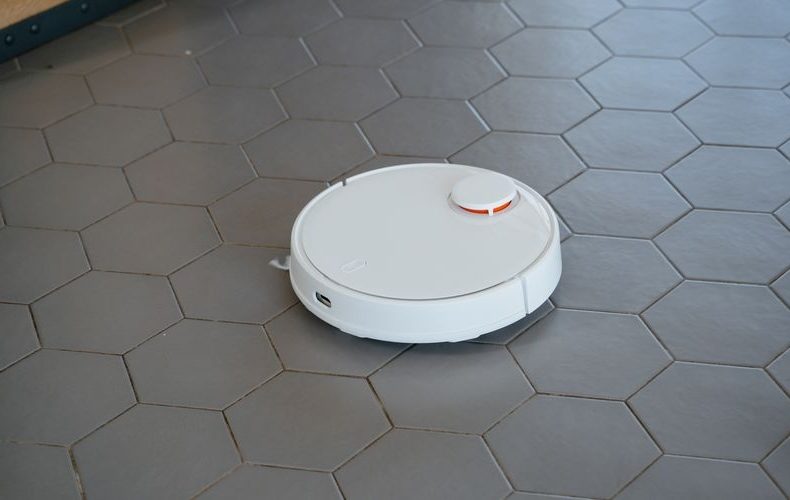
Older combo units basically strapped a microfiber cloth to the bottom of a robot vacuum and called it mopping. No pressure. No scrubbing. No water management. The 2026 generation is a completely different animal. Dreame's X60 Max Ultra Complete uses dual omni scrub mop pads spinning at 230 RPM with 15N of downward pressure, that's roughly equivalent to pressing your palm firmly against the floor while scrubbing. Roborock's Qrevo CurvX takes a different approach with a roller style mop that self cleans during the run. Both of these actually remove dried on spills. Not just smear them around.
The docking stations deserve their own paragraph because they've become mini appliances. The Roborock Multifunctional Dock 3.0 Thermo+ washes mop pads with 176 degree Fahrenheit water, dries them with warm air at 113 degrees, empties the dustbin, and refills the water tank. Automatically. You refill a clean water reservoir maybe once a week for a typical apartment. That's a massive shift from the old "rinse the gross mop pad by hand every run" routine. Ecovacs and Dreame offer nearly identical dock functionality now too. It's the new baseline.
What a Robot Vacuum with Mop Worth It in 2026 Actually Costs
Budget has a lot to do with whether this makes sense for you. Here's the real pricing market as of April 2026. The Dreame X60 Max Ultra Complete sits at $1,699 MSRP, that's flagship territory and not what most people need. The Roborock Qrevo CurvX launched at $1,499 but has already dropped to $849 during Amazon sales events. The Ecovacs Deebot X8 Pro Omni lands at $1,169. The Dreame L50 Ultra, a genuinely excellent mid range option, is currently $799 after dropping from its original $1,399 price tag. And then there's the Yeedi M14 Plus at $499, which undercuts everything while still offering an active roller mop and self emptying station.
So the real question isn't whether combo units are expensive. Some are. The question is whether spending $500-$800 on a combo unit makes more sense than buying a $300 robot vacuum plus a $150 dedicated robot mop separately. Honestly? In most cases now, the combo wins. Two devices means two charging docks, two apps, two maintenance schedules, and they can't coordinate cleaning zones with each other. A single combo unit maps your home once and handles both tasks in one run.
Where Combo Units Still Fall Short, Be Honest About Expectations
I'd be doing you a disservice if I pretended these things replace a proper mop and bucket session entirely. They don't. A robot vacuum with mop in 2026 handles daily maintenance brilliantly, light dust, shoe prints, kitchen splatter from last night's cooking. But if you've got a week's worth of built up grime on tile, or your kid spilled juice that dried into a sticky layer, you're still reaching for the Swiffer or a manual mop. The scrubbing force just isn't there yet for heavy duty jobs.
Carpet households face a different tradeoff. These combos lift their mop pads when they detect carpet, the Roborock CurvX lifts 20mm, the Dreame X60 lifts even higher, but you're still routing a wet capable machine over your rugs. Some people are fine with that. Others aren't. If your home is 80% hardwood or tile, this is a no brainer purchase. If it's 80% carpet, you're paying a premium for mopping tech you'll barely use. Get a vacuum only model instead.
The Models That Actually Deliver in 2026
Not all combo units are created equal. Huge quality gap between tiers. The Ecovacs Deebot X8 Pro Omni scored highest in independent mopping tests, it actually out mopped the Dreame X50 Ultra in head to head comparisons at Vacuum Wars. Its 18,000Pa suction handles vacuuming duties fine, and the 6,400mAh battery gives it serious runtime for large homes. At $1,169, it's the mopping champion if that's your priority.
For pure overall performance, the Dreame X60 Max Ultra Complete leads with 35,000Pa suction and a 3.13 inch slim profile that fits under most furniture. But at $1,699, you're paying a steep premium. My actual recommendation for most people? The Dreame L50 Ultra at $799. Its ProLeap system with retractable legs climbs obstacles up to 2.36 inches, door thresholds, thick rug edges, that annoying transition strip between your kitchen and living room. It handles both vacuuming and mopping at a price that doesn't require justifying to your spouse.
Is a robot vacuum with mop worth it in 2026 for small apartments vs. large homes? The two cases play out very differently.
Square footage matters more than people realize. In a 600 square foot studio apartment, a $499 Yeedi M14 Plus will cover your entire floor in one battery cycle, and the mopping performance at this price tier is genuinely solid. Spending $1,699 on the Dreame flagship for a studio apartment is like buying a pickup truck to commute two miles. Overkill doesn't begin to describe it.
Large homes, 2,000+ square feet, flip the equation. Battery life becomes critical. The Ecovacs X8 Pro Omni's 6,400mAh cell handles roughly 180 minutes of combined vacuuming and mopping before needing to dock, recharge, and resume. Cheaper models with 5,000mAh batteries might need two or three recharge cycles for a full home clean, which means your floors are wet in some rooms and dry in others for hours. Multi level homes add another variable: you'll either need a second unit or carry the robot upstairs manually. Neither option is elegant.
The Self Maintenance Factor Nobody Talks About Enough
Here's what separates 2026 combos from their predecessors and makes the robot vacuum with mop worth it in 2026 conversation real. The docks handle almost everything now. Auto empty dustbins, hot water mop washing, warm air drying to prevent mildew, auto refill water tanks, and some even dispense cleaning solution automatically. Roborock's higher end models support plumbed drainage, connect the dock directly to your water line and drain, and you genuinely never touch it except to replace the dustbin bag every few months.
Without that dock technology, combo units were a maintenance nightmare. Wet mop pads sitting in a dock overnight would smell terrible by morning. Water tanks needed refilling every single run. Dustbins clogged with damp debris. The 2026 docks solved most of these problems. Most. You'll still need to clean the robot's sensors occasionally, replace mop pads every 3-4 months, and swap dustbin bags. It's not zero maintenance. But it's close.
Who Should Skip Combo Units Entirely
Not everyone needs this. Genuinely. If your home is all carpet, buy a dedicated robot vacuum, the Roborock S9 MaxV or even a Roomba j9+ will outperform any combo unit on deep carpet extraction because they don't waste weight, battery, or design compromises on mopping hardware they'll never use. If you have pets with long hair, prioritize anti tangle brush design over mopping capability. And if your budget is under $300, the combo units in that range still have passive mopping (no spinning pads, no pressure) and it's genuinely not worth the tradeoff versus a better vacuum only model at the same price.
For everyone else, hardwood floors, tile kitchens, moderate budgets, busy schedules, yeah. A robot vacuum with mop is worth it in 2026. The tech caught up to the promise.
Do’s and Don’ts
Combo units reward good habits and punish lazy ones, and most of the frustrations people report trace back to a handful of avoidable mistakes. The table below collects the habits that keep a robot vacuum with mop running like new, alongside the traps that shorten its life. Skim it before your first run and again when something starts to smell off.
Do’s
Don’ts
Set the robot to vacuum first, then mop in a second pass for best results
Don't expect deep-cleaning performance on dried, week-old stains
Empty the dirty water tank at least twice a week to prevent odor buildup
Don't buy a combo unit if your home is 80%+ carpet. get a vacuum-only model
Use the manufacturer's recommended cleaning solution in auto-dispense docks
Don't use third-party detergent in auto-dispense docks. it voids warranties
Check that the mop lift height clears your thickest rug before buying
Don't place the dock on carpet or wood. use tile or a waterproof mat underneath
Run the hot-water wash cycle after every mopping session
Don't skip the drying cycle. damp pads sitting overnight breed mildew fast
Replace mop pads every 3-4 months even if they look fine
Don't cheap out on replacement pads. knock-offs wear faster and scratch floors
Map your home in vacuum-only mode first for the most accurate floor plan
Don't let the robot mop near unsealed hardwood. moisture damages unfinished wood
Keep the robot's cliff sensors and LiDAR turret clean monthly
Don't assume Wi-Fi 6 compatibility. check your router before setup
Buy during Amazon Prime Day or Black Friday for 30-50% off MSRP
Don't pay full MSRP. these products cycle through sales every 6-8 weeks
Test the no-mop zones feature with your specific furniture layout
Don't forget to remove floor obstacles like cables, shoes, and pet toys before runs
Consider the Dreame L50 Ultra at $799 as the best value mid-range pick
Don't chase 35,000Pa suction numbers. anything above 18,000Pa handles normal debris fine
FAQs
Is a robot vacuum with mop actually worth buying in 2026?
For most homes with hard flooring, absolutely yes. The 2026 generation has crossed a threshold where the mopping is genuinely functional rather than gimmicky. Spinning mop pads with 12-15N of downward pressure, hot water self washing docks, and automatic drying have eliminated the biggest pain points from older models. If at least 50% of your floors are hard surface, tile, hardwood, laminate, vinyl, a combo unit in the $500-$800 range will save you real time every week. It won't replace a deep manual mopping session every couple of weeks, but for daily maintenance, it's legitimately effective.
Which robot vacuum mop combo is best in 2026?
Depends on your priority. For mopping performance specifically, the Ecovacs Deebot X8 Pro Omni ($1,169) outperformed everything in head to head tests. For overall cleaning and suction power, the Dreame X60 Max Ultra Complete leads with 35,000Pa but costs $1,699. For the best balance of performance and value, the Dreame L50 Ultra at $799 is my pick, it offers flagship level features including obstacle climbing and a full self maintenance dock at a price that makes sense. The Yeedi M14 Plus at $499 punches well above its weight if you're on a tighter budget.
Can robot vacuum mop combos clean as well as a regular mop?
Not quite, and anyone telling you otherwise is selling something. Modern combo units handle daily dust, light spills, shoe prints, and general floor grime effectively. The spinning mop pads and increased downward pressure in 2026 models are a major improvement over the passive drag and smear approach of older robots. But for sticky, dried on messes or built up grime, you'll still want a manual mop occasionally. Think of it as maintaining clean floors rather than rescuing dirty ones.
Do robot vacuum mop combos work on carpet?
Yes, with caveats. All current flagship models automatically detect carpet and lift their mop pads, the Roborock Qrevo CurvX lifts 20mm, and Dreame models lift even higher. This prevents your carpet from getting wet during mopping runs. The vacuuming performance on carpet is solid too, with 18,000-35,000Pa suction handling pet hair and embedded dirt. However, if your home is predominantly carpeted, you're paying a premium for mopping hardware you'll rarely use. A dedicated vacuum only model like the Roborock S9 MaxV would serve you better and cost less.
How often do you need to maintain a robot vacuum mop combo?
Far less than you'd expect with 2026 docks. The self emptying, self washing, self drying stations handle daily maintenance automatically. You'll refill the clean water tank roughly once a week for a typical home, replace the dustbin bag every 2-3 months, swap mop pads every 3-4 months, and wipe down sensors monthly. Models with auto refill from larger reservoirs stretch that water tank interval even further. Compared to the first generation of combo units that needed manual pad rinsing after every single run, it's a night and day difference.
What's the cheapest robot vacuum mop combo that's actually good?
The Yeedi M14 Plus at $499 is the current value champion. It includes an active roller mop, self emptying base station, and LiDAR navigation, features that cost $800+ just 18 months ago. The Tikom L8000 Plus goes even lower and still offers LiDAR nav and a self emptying dock, though its mopping performance drops noticeably. Below $350, I'd honestly skip the combo units entirely. The mopping at that price point is still passive pad technology that barely dampens the floor. Save the money and get a better vacuum only model.
Should I get a robot vacuum mop combo or two separate robots?
One combo unit beats two separate devices for almost everyone. Two robots means two docking stations taking up floor space, two separate apps to configure, two devices to maintain, and zero coordination between them. A combo unit maps your home once and intelligently switches between vacuuming and mopping based on floor type. The only scenario where separate devices make sense is if you have a massive home (3,000+ square feet) and want simultaneous operation, one vacuuming upstairs while the other mops downstairs. For everyone else, consolidate.
We use cookies to see which reviews and buying guides readers find useful, so we can keep improving them. Accept analytics cookies, or carry on with essential ones only. See our Cookie Policy.











 Get it on
  Download on the